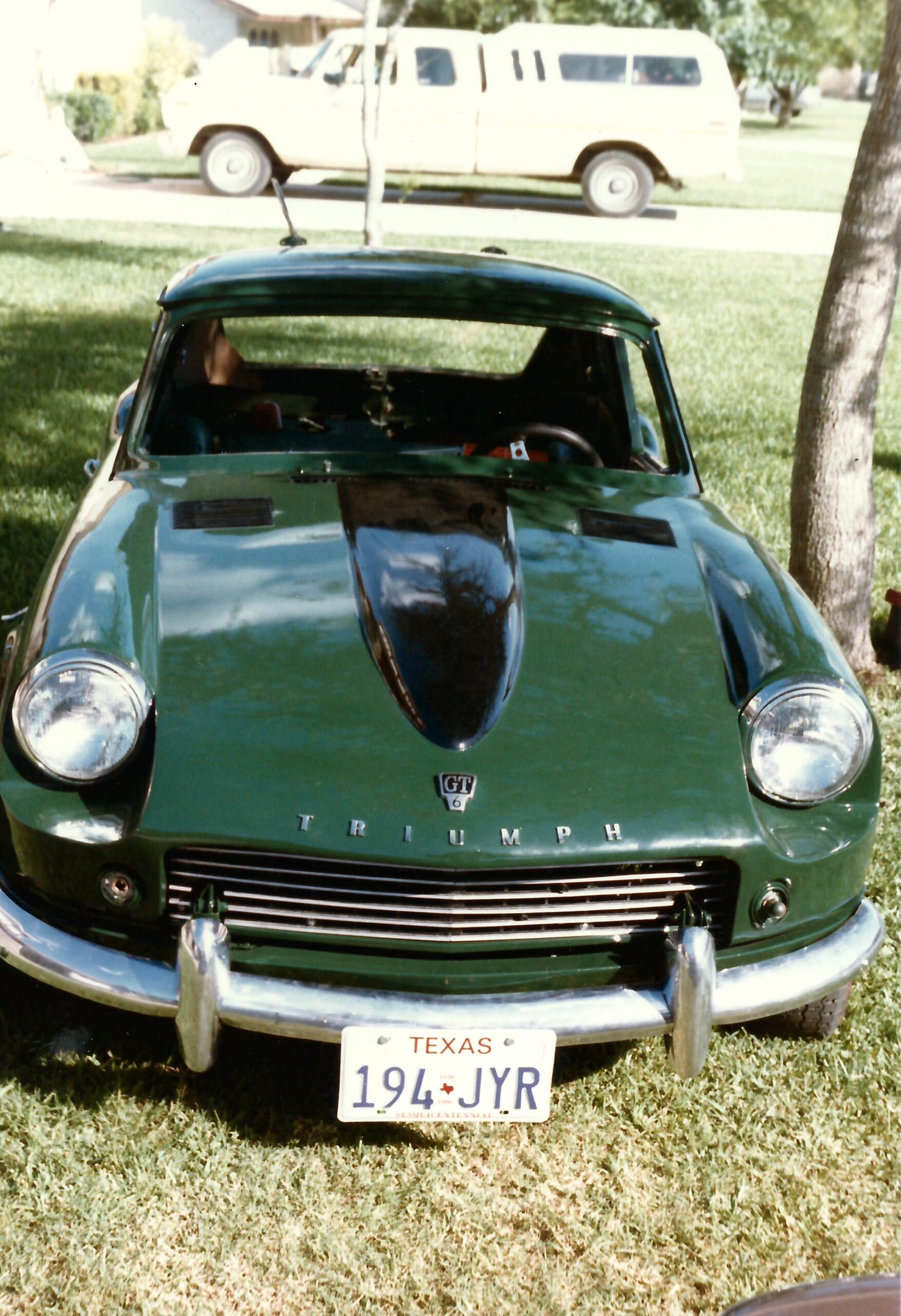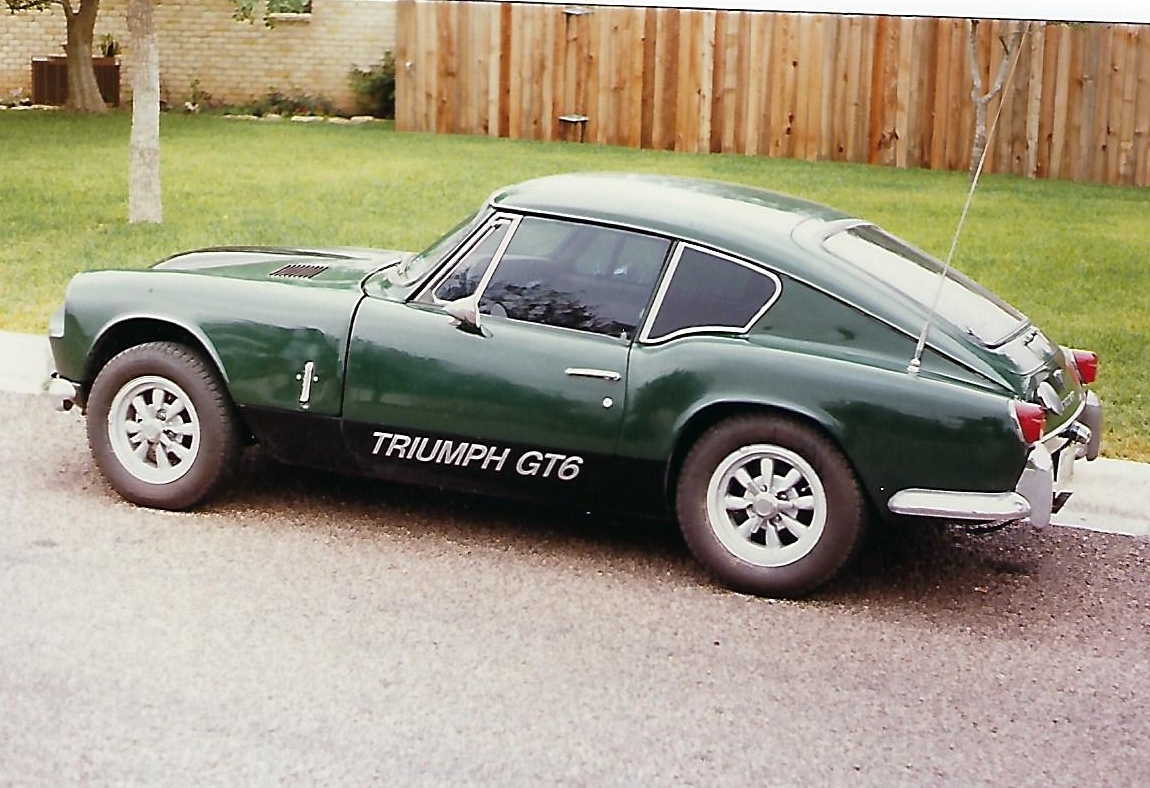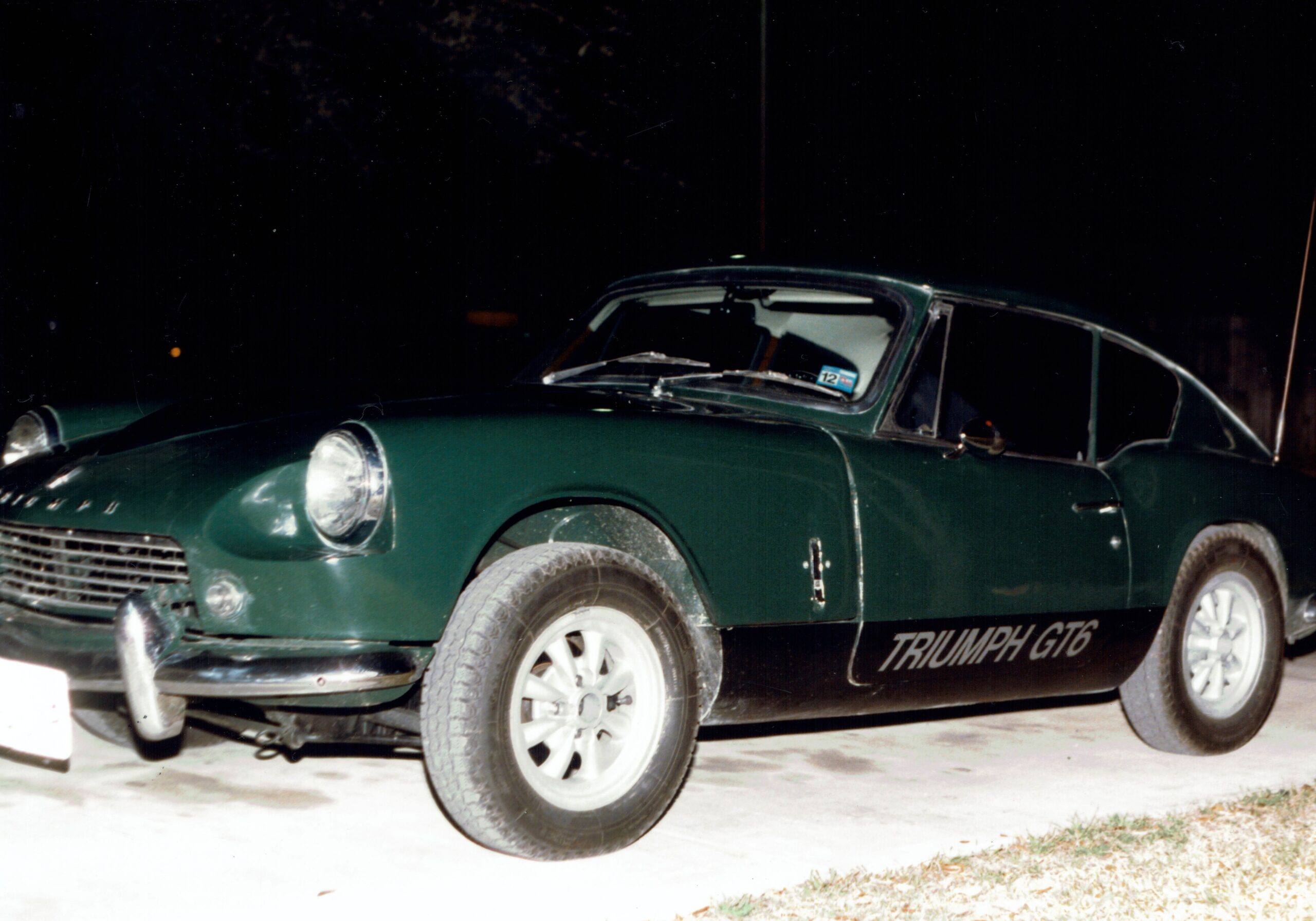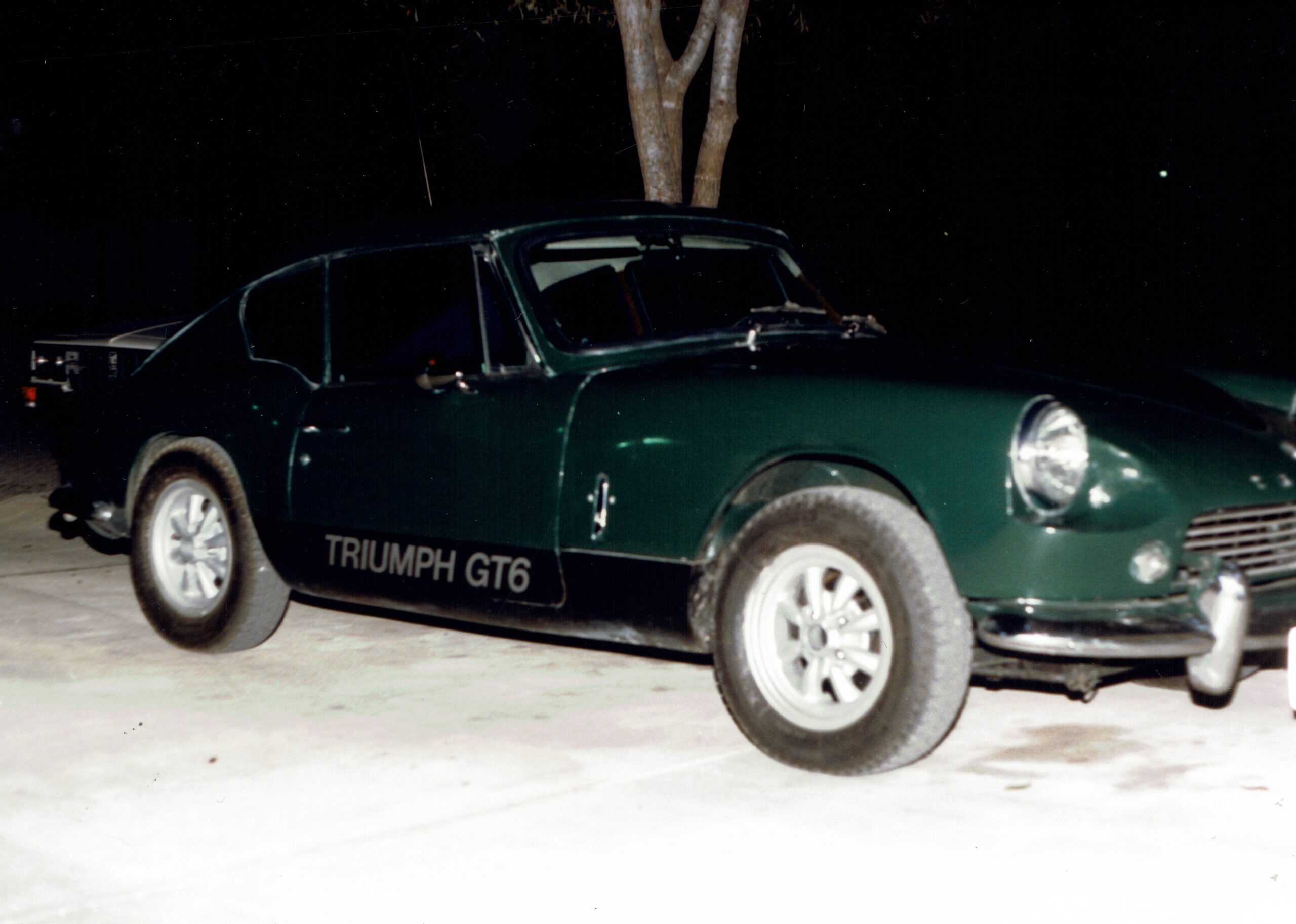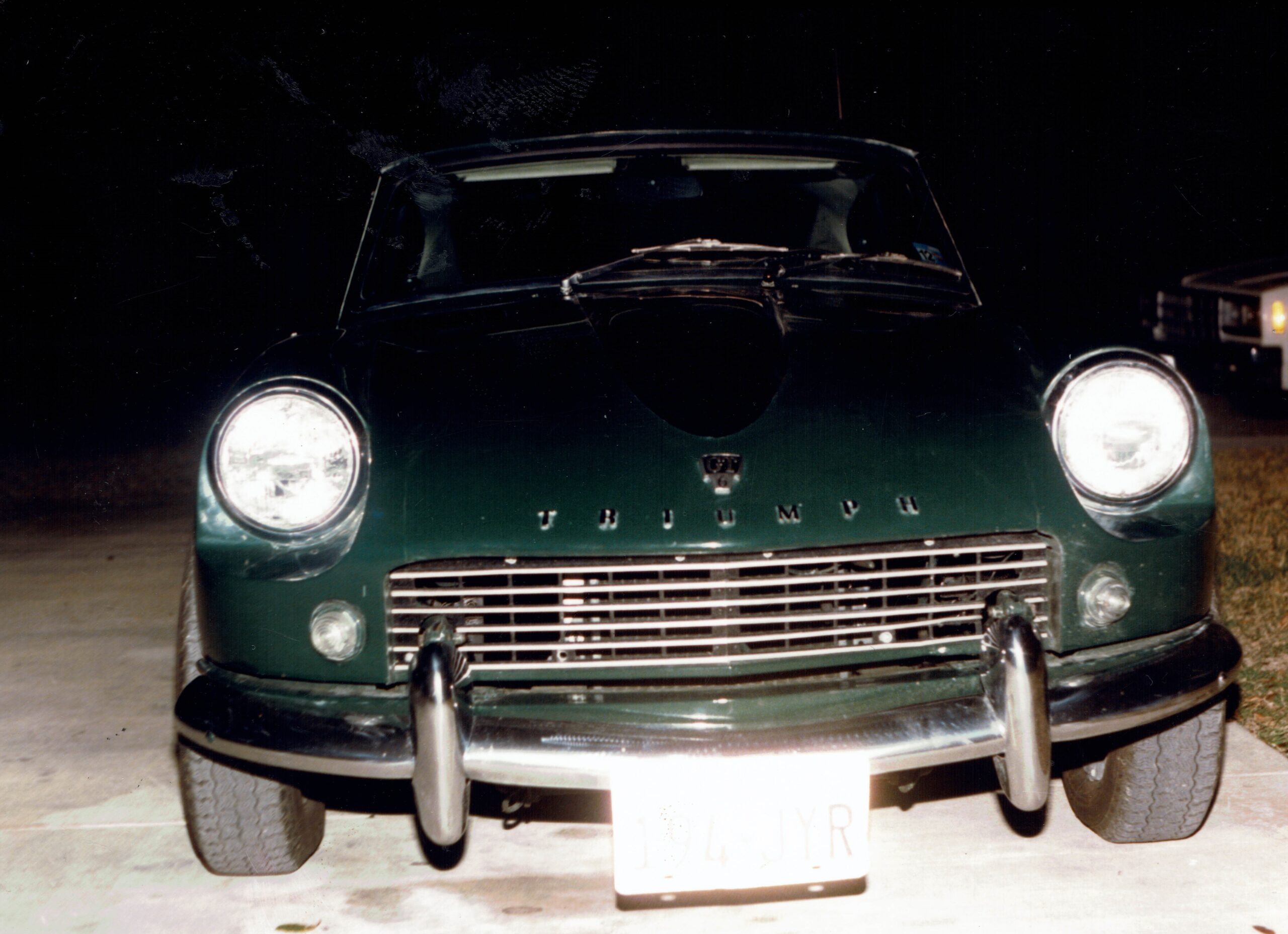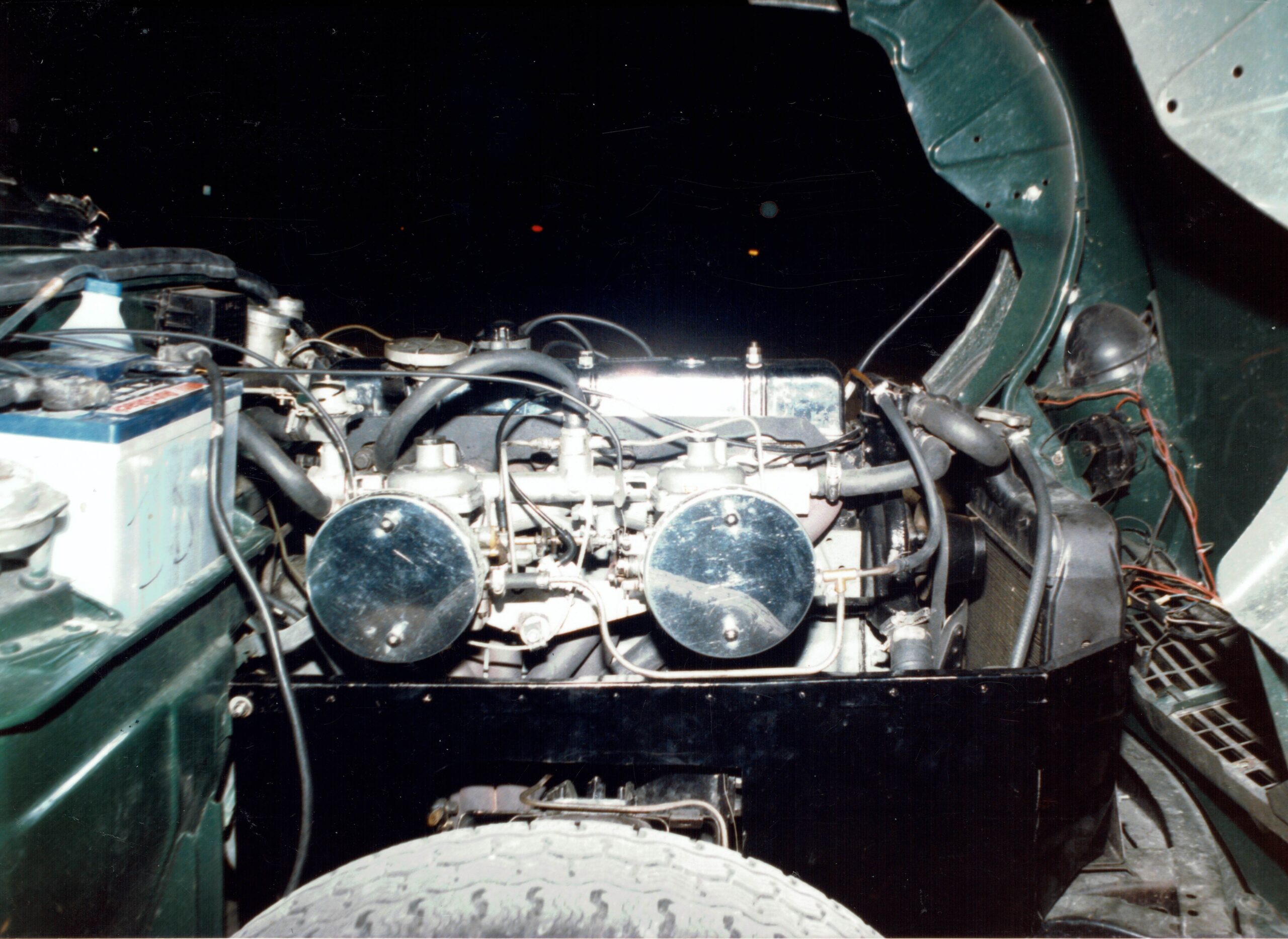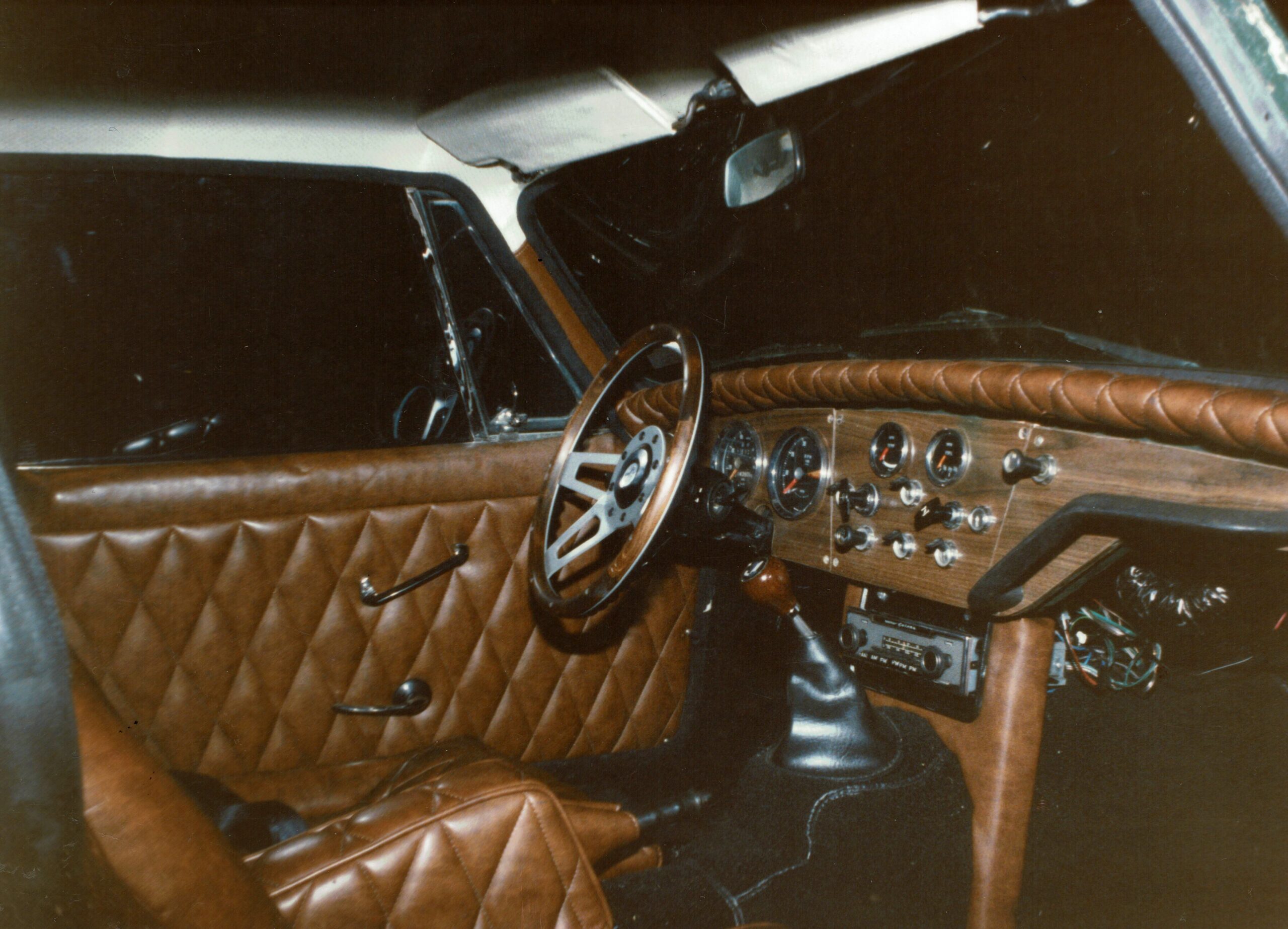
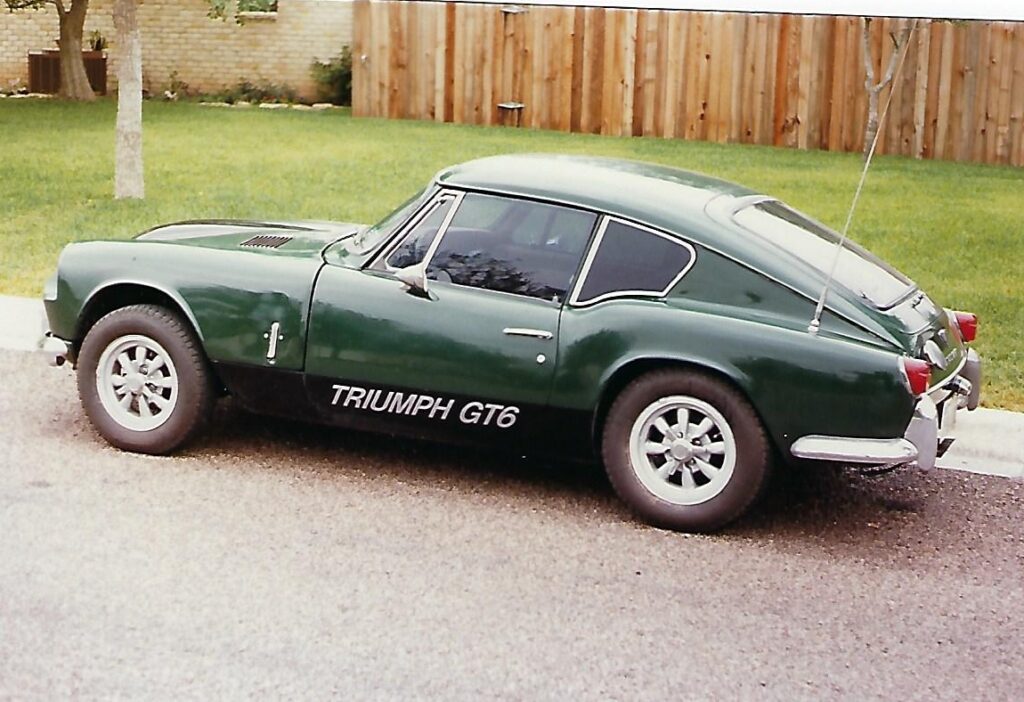
1968 Triumph GT6
Project: GT6
History
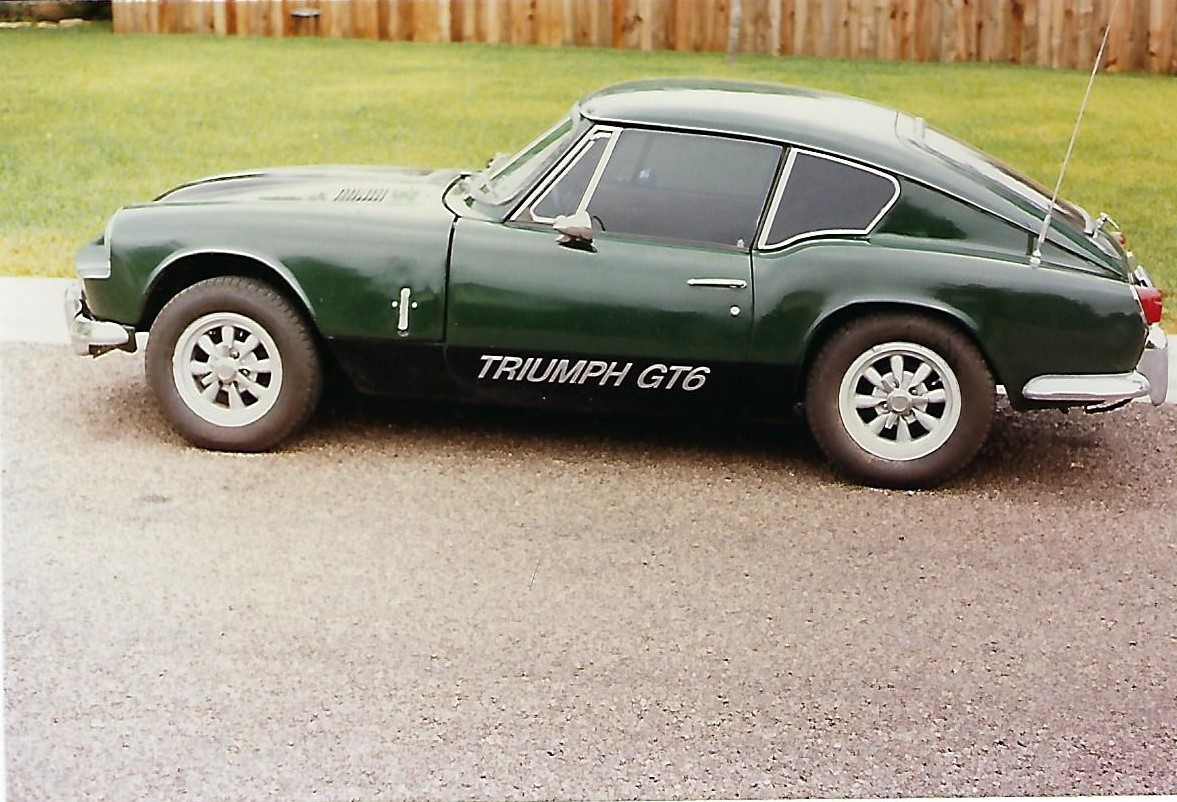
The Triumph GT6 is a classic British sports coupe produced by Triumph Motor Company from 1966 to 1973. Based on the Triumph Spitfire, the GT6 was designed as a sleek, fastback coupe with a more powerful engine and improved handling.
Key Milestones:
- Origins: The GT6 started as a Michelotti-designed coupe prototype of the Spitfire. The extra weight required a more powerful engine, leading to the use of a 2.0L inline-six from the Triumph Vitesse.
- GT6 Mk I (1966–1968): Introduced with a 95 hp 2.0L engine and a four-speed manual transmission. Though stylish and quick, early models suffered from poor rear suspension handling.
- GT6 Mk II / GT6+ (1968–1970): Introduced with improved rear suspension (swing axle replaced with rotoflex couplings), slight styling updates, and a bump to 104 hp in the U.S. market.
- GT6 Mk III (1970–1973): Final version featured further styling changes to resemble the Spitfire Mk IV, continued mechanical refinements, and slightly improved interior.
Production ended in 1973 due to tightening emissions regulations and declining sales, especially in the U.S. The GT6 remains a favorite among enthusiasts for its classic styling and smooth six-cylinder performance in a compact chassis—earning it the nickname “The Poor Man’s E-Type.”
The Story Behind the Build
This is where it all started for me.
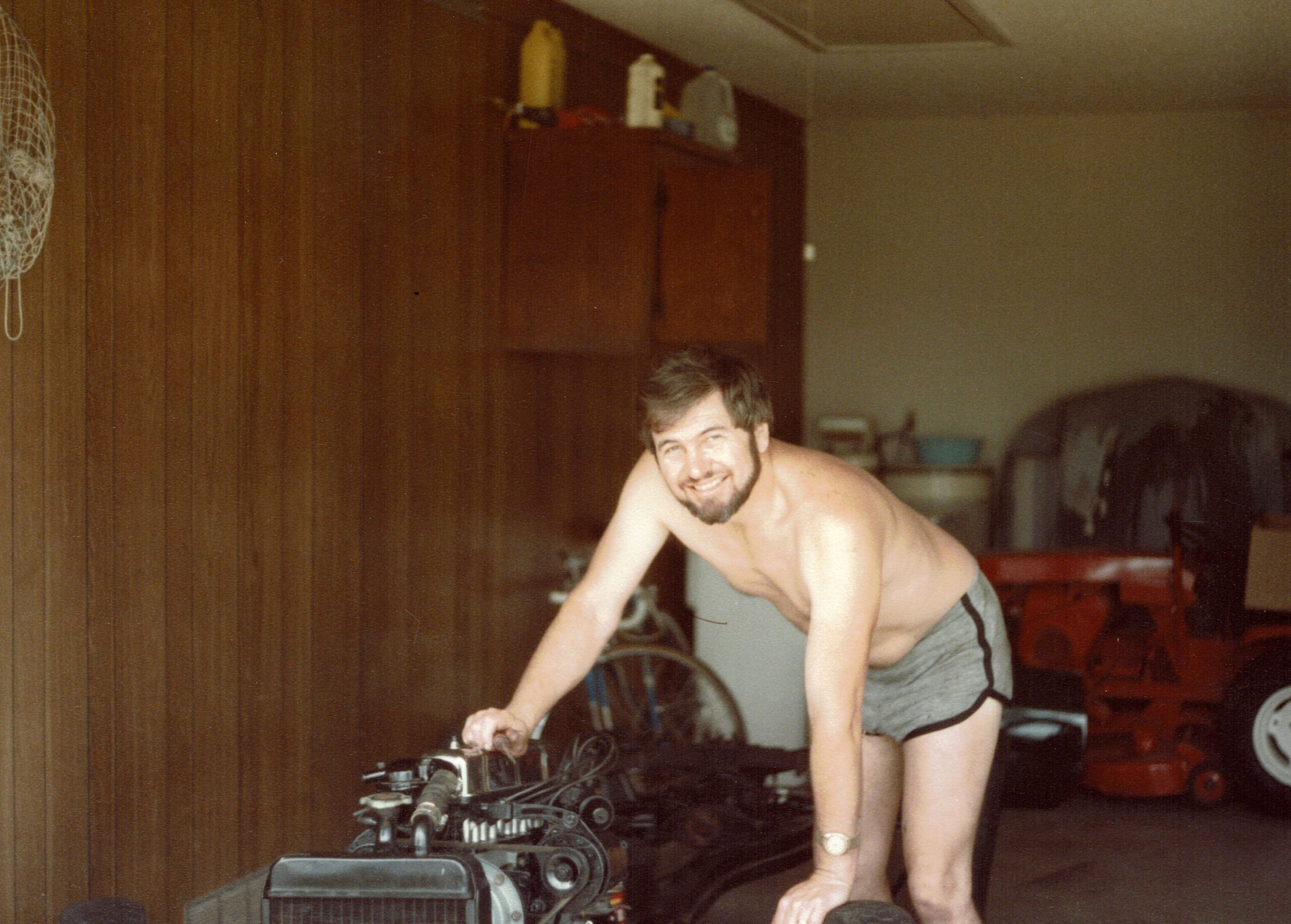
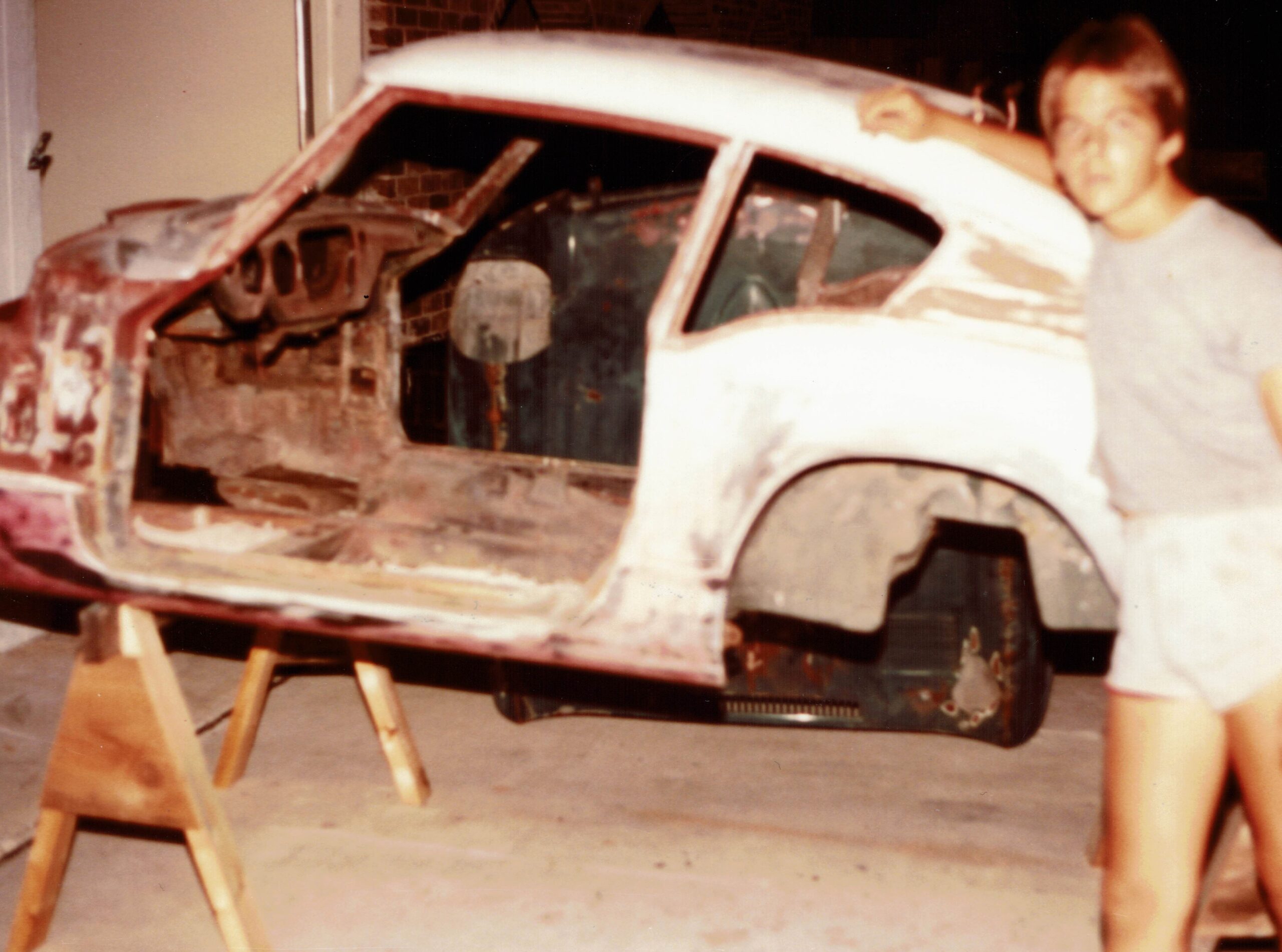
My dad worked with a couple of guys—Spencer and Robert—who were into all kinds of hobbies: mechanical work, restorations, customizations, that sort of thing. One of them was in the middle of a frame-off restoration on a Triumph GT6. He always had multiple projects going on, and while he had already stripped this one down, powder-coated the chassis, and done a few other things, he never got around to finishing it. He mentioned it to my dad, who thought it might be a good project for the two of us to work on together in the garage.
At the time, my dad had some mechanical experience. He had an MG sports car in his youth that constantly needed attention just to keep running, so he was no stranger to working on British sports cars. We figured finishing the Triumph might be a stretch, but it was worth a shot.
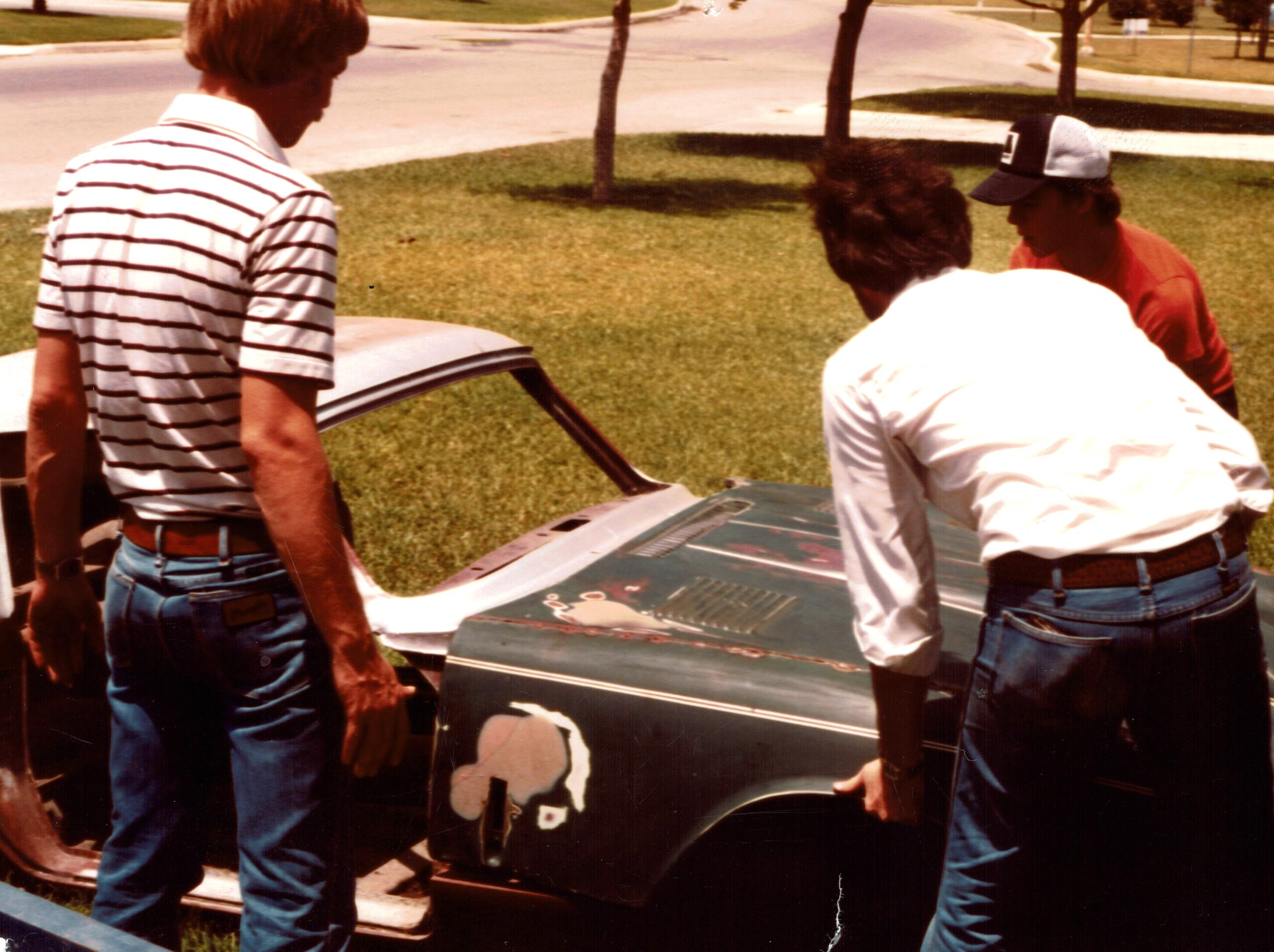
There aren’t many pictures from back then, but I remember when we bought the car, we had to load everything onto a trailer—the body was already off the frame. What really stood out was that the previous owner had packed all the parts into waxed chicken boxes. These were the same boxes used in poultry plants to freeze and transport chicken to grocery stores. There must have been 30 or 35 of them, each filled to the brim with parts.
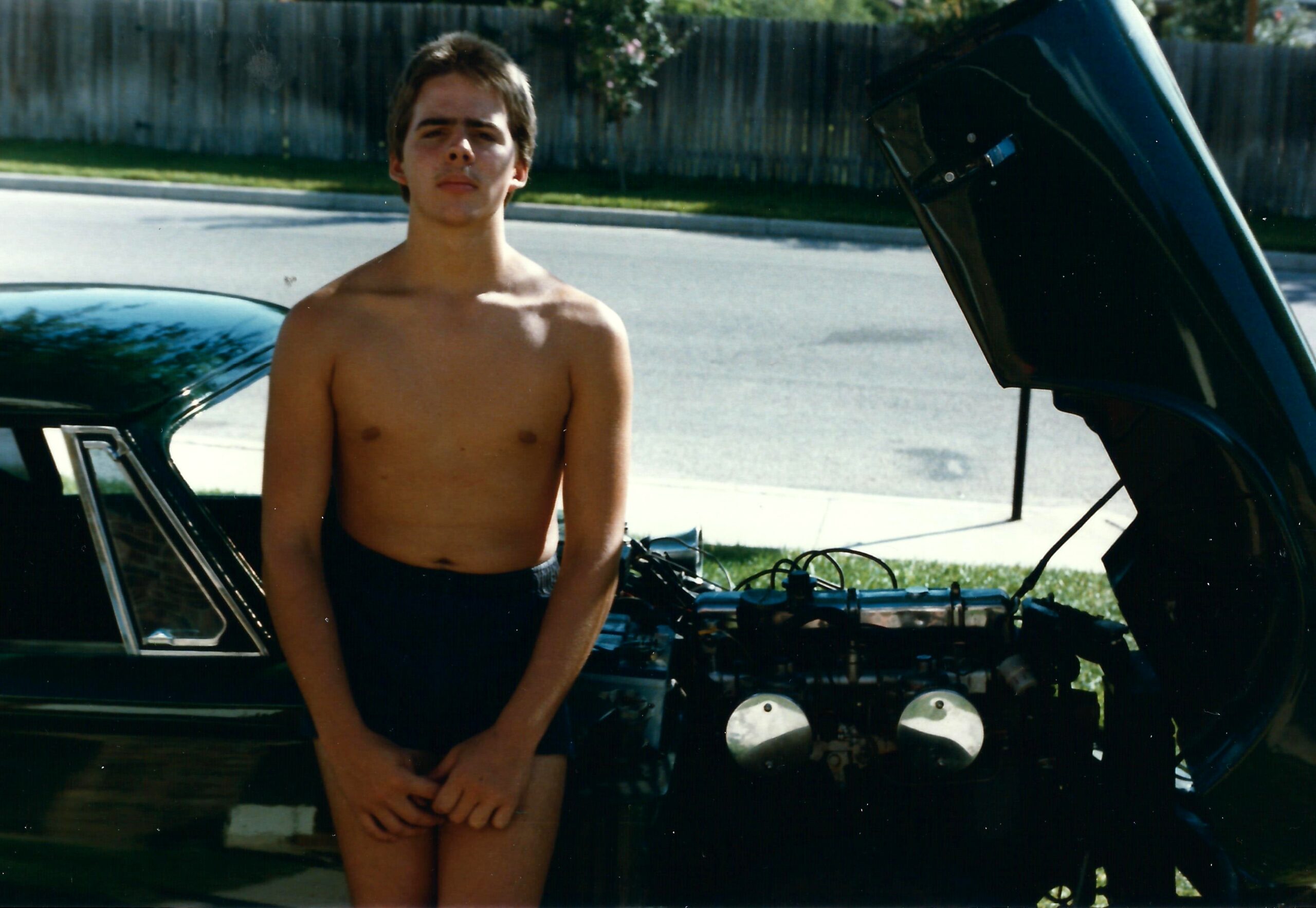
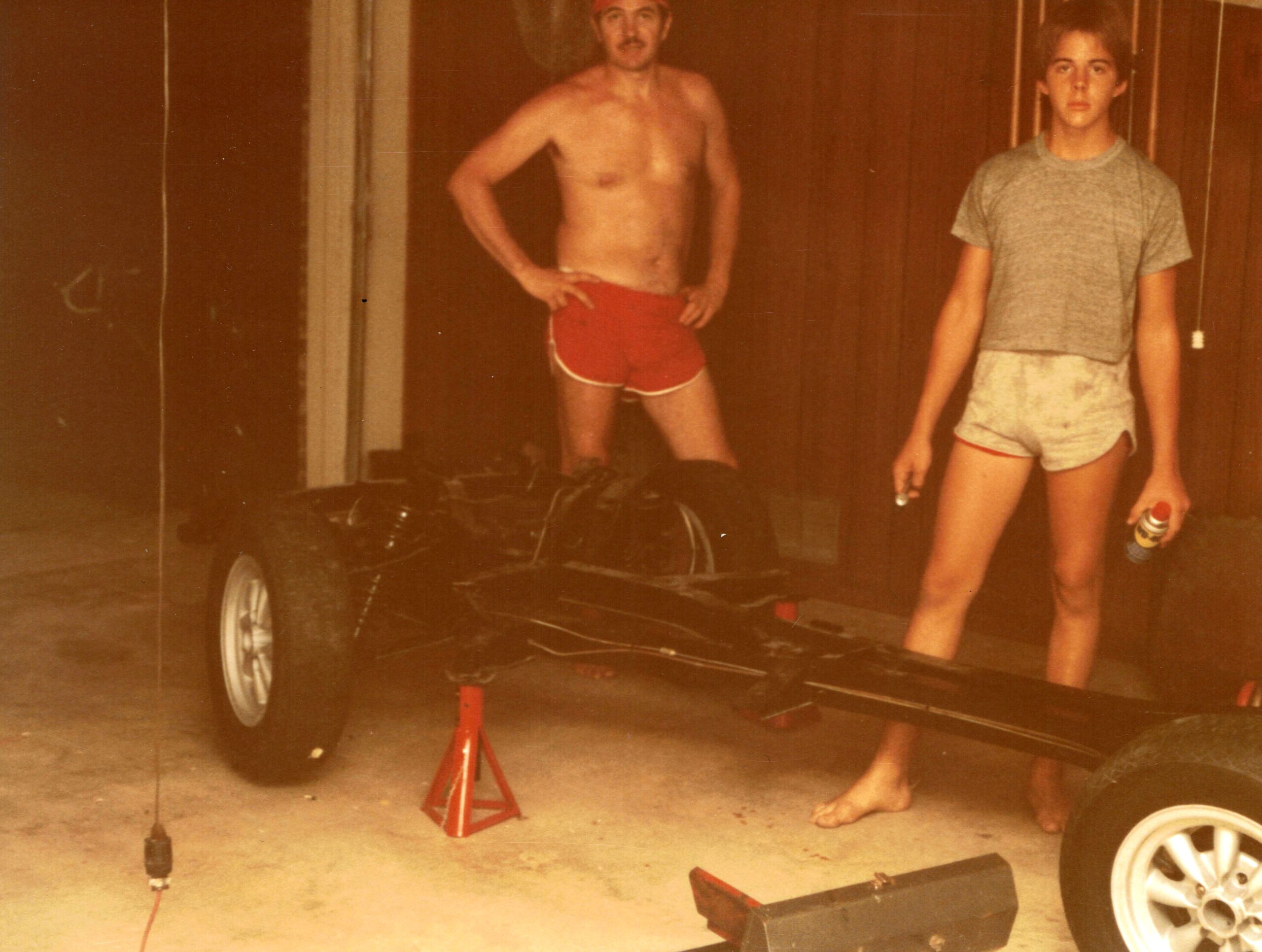
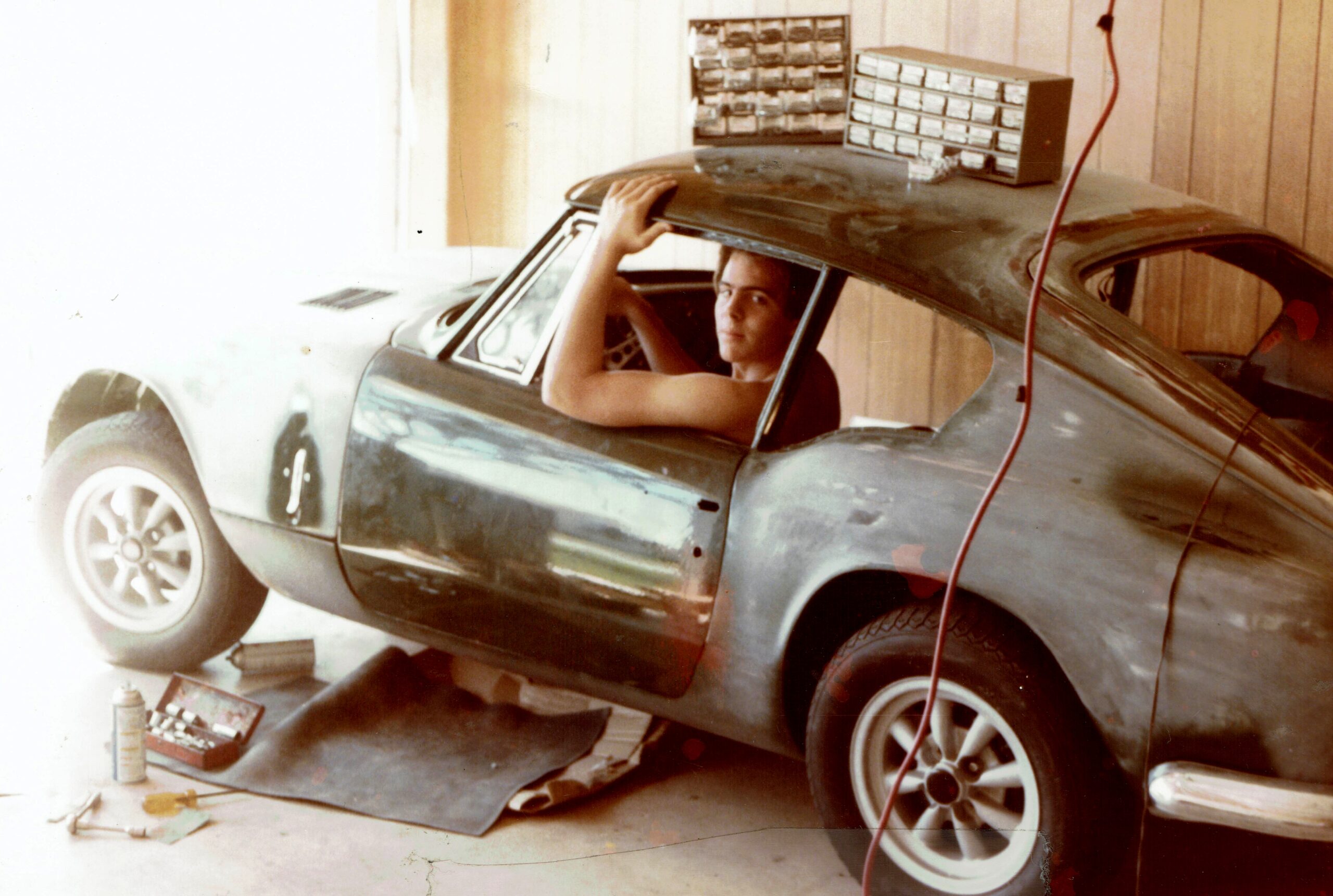
We brought it all home to our garage in South Texas, and over the course of my youth, my dad and I worked through it piece by piece, finishing the restoration. At one point, he told me he didn’t really understand the wiring, handed me the diagram, and said, “Here, you figure it out.” So I did—from bumper to bumper and everything worked. Not bad for a kid that had absolutely no prior experience.That moment really stuck with me, and honestly, it might be the reason I ended up in the profession I’m in today—not just wrenching on vehicles as a hobby, but making a career out of all things electrical.
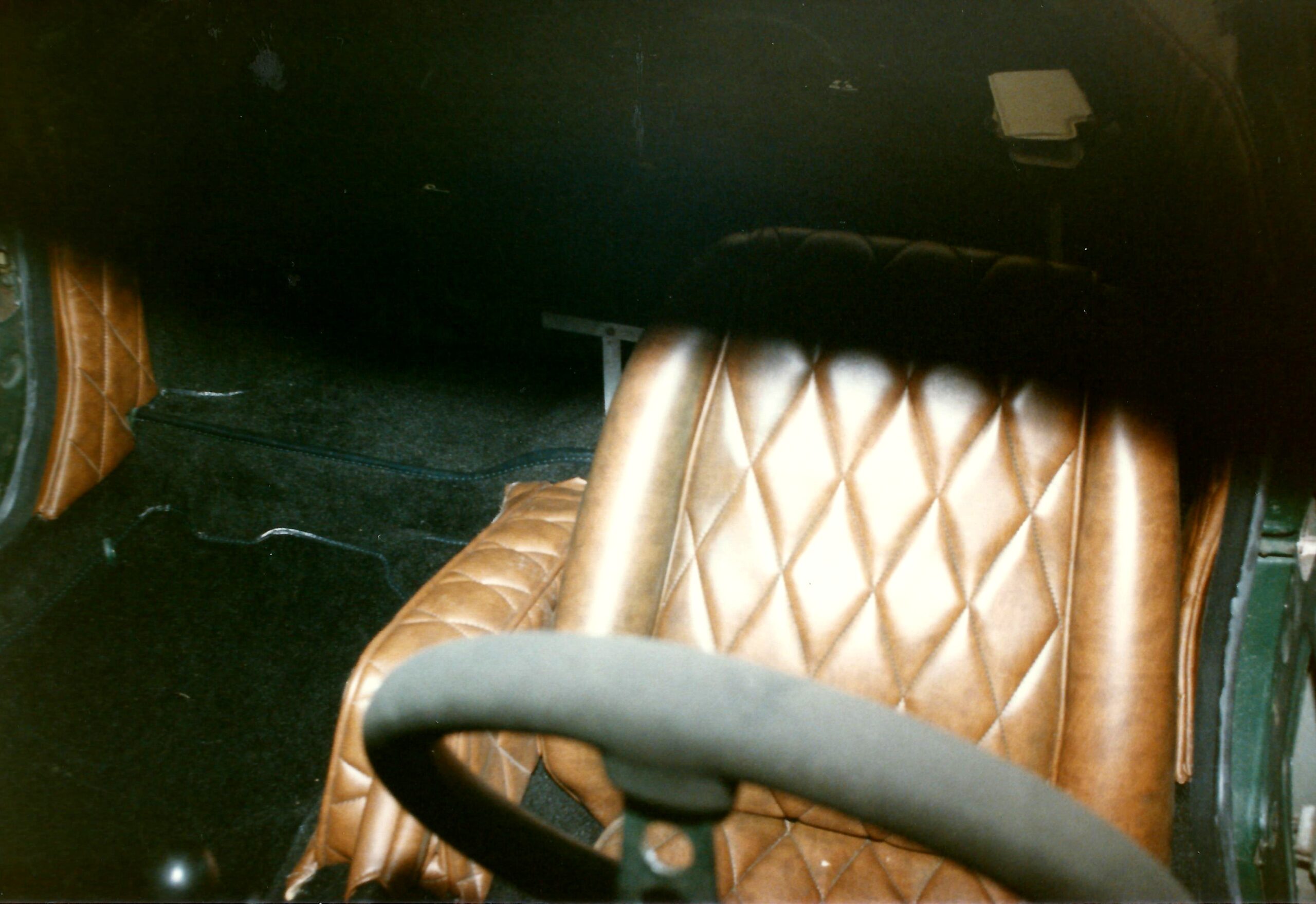
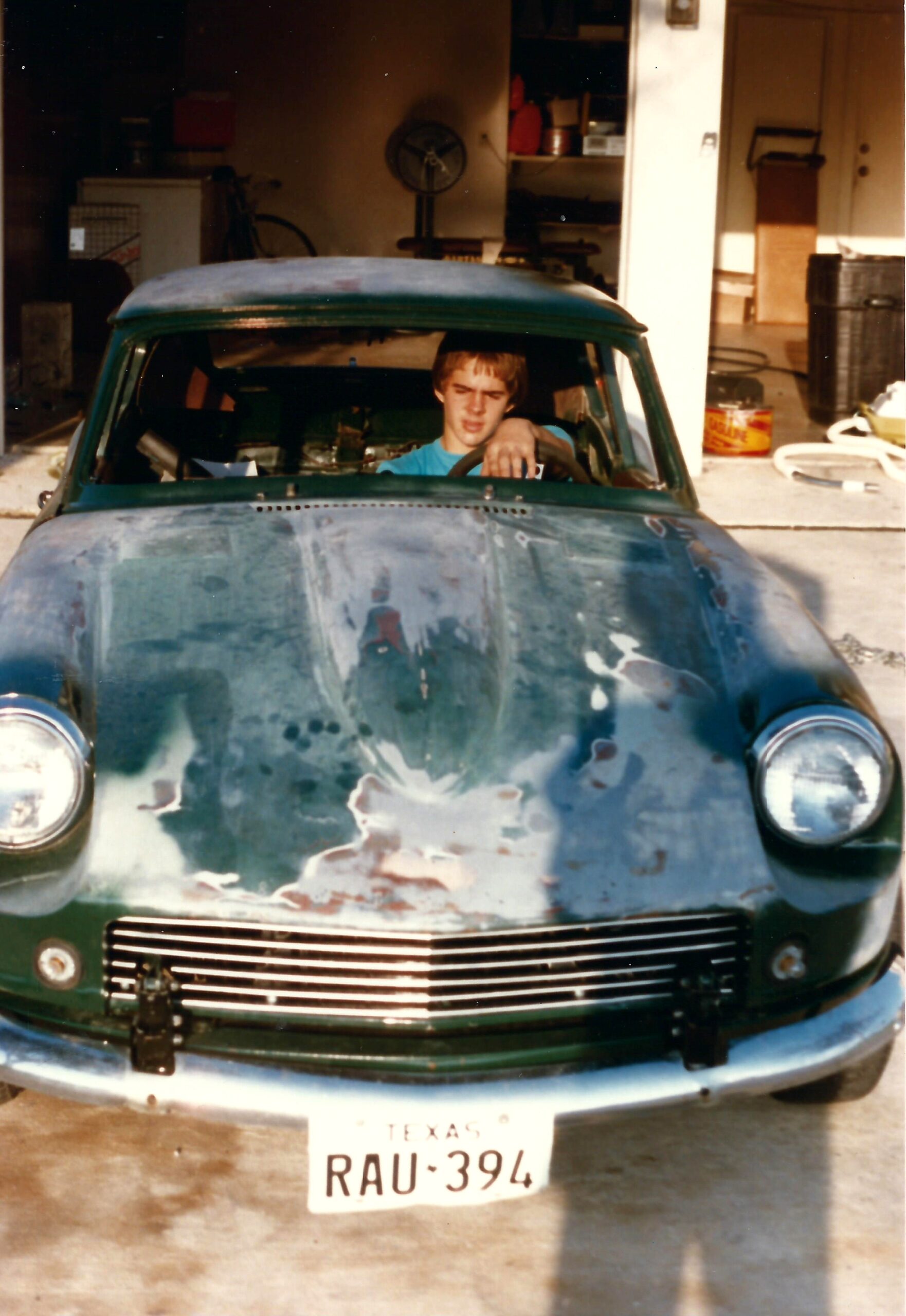
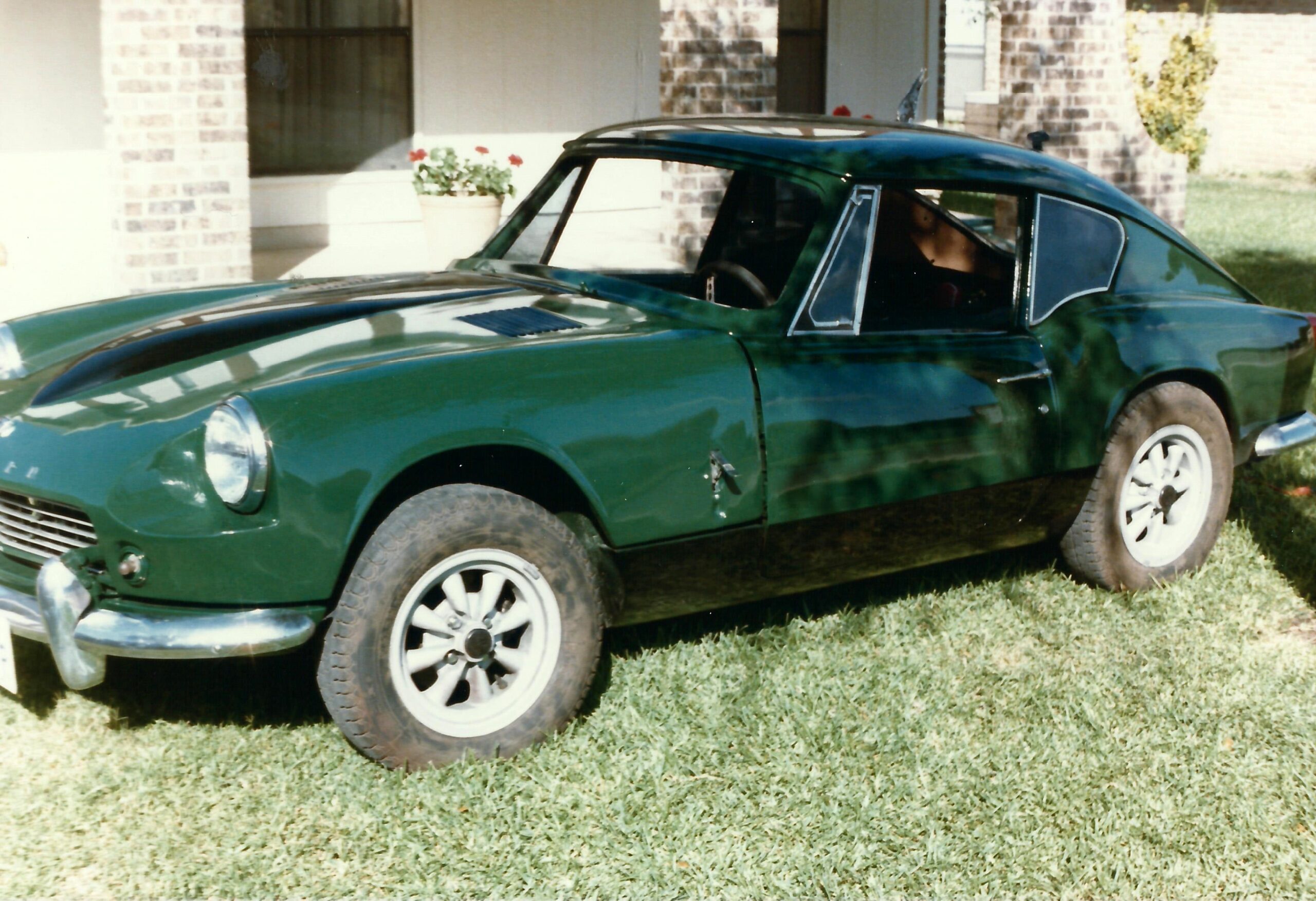
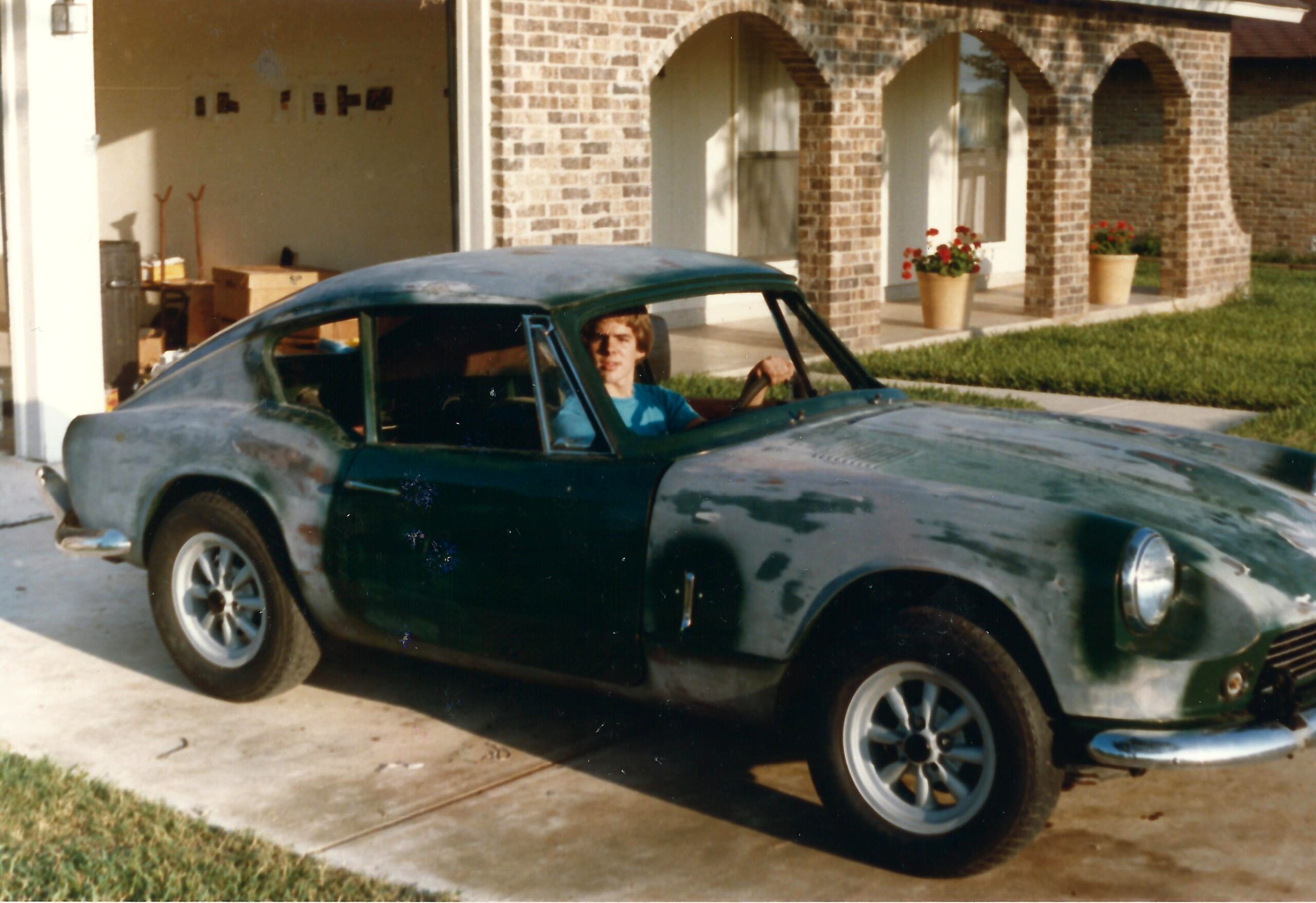
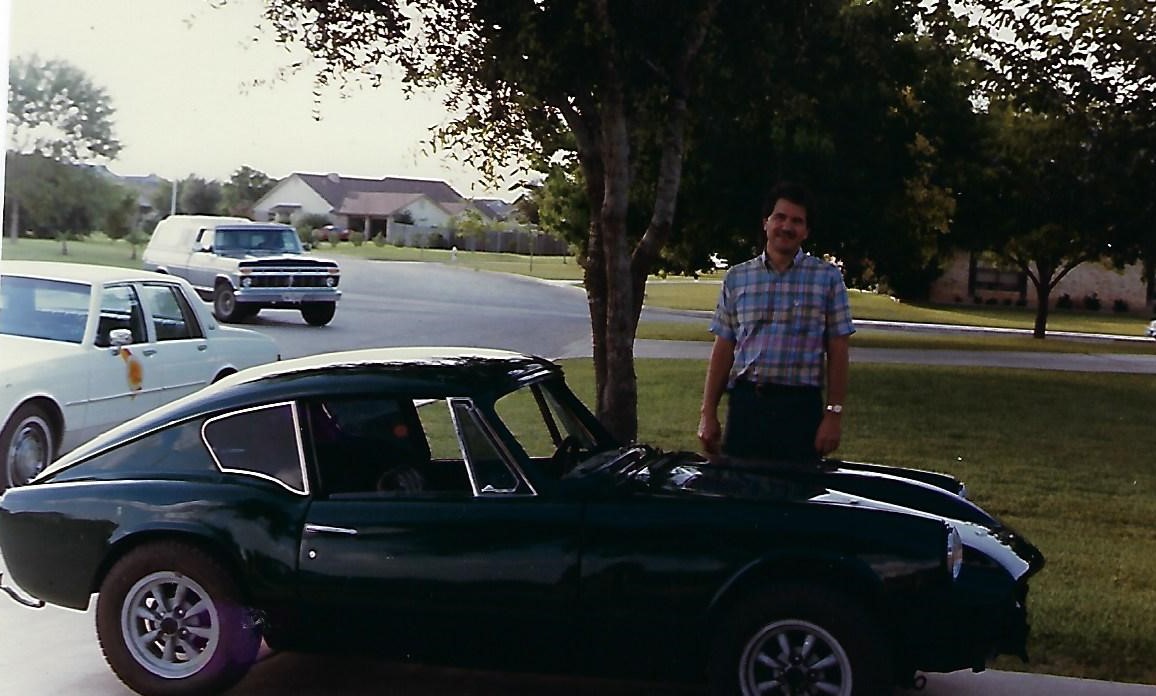
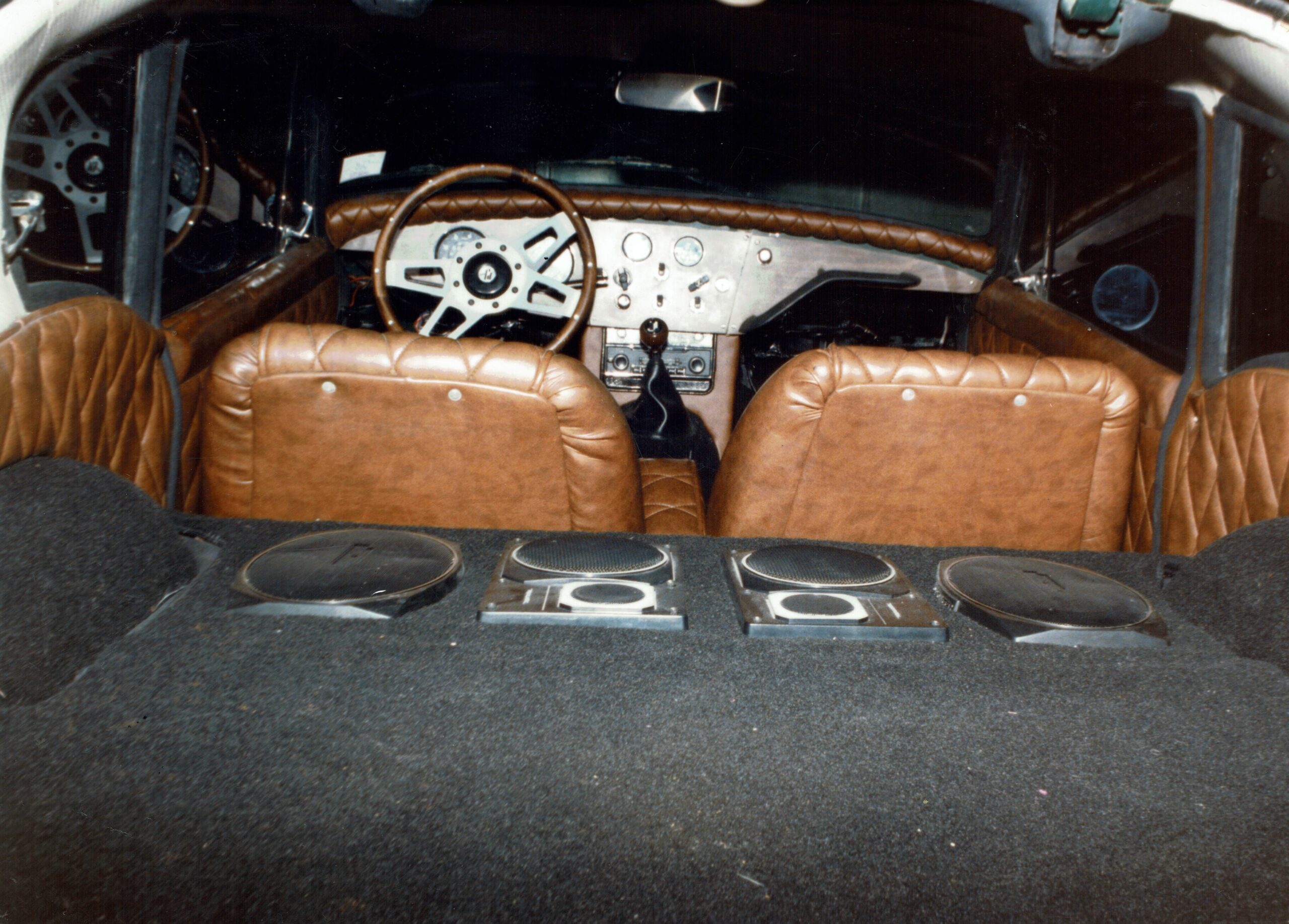
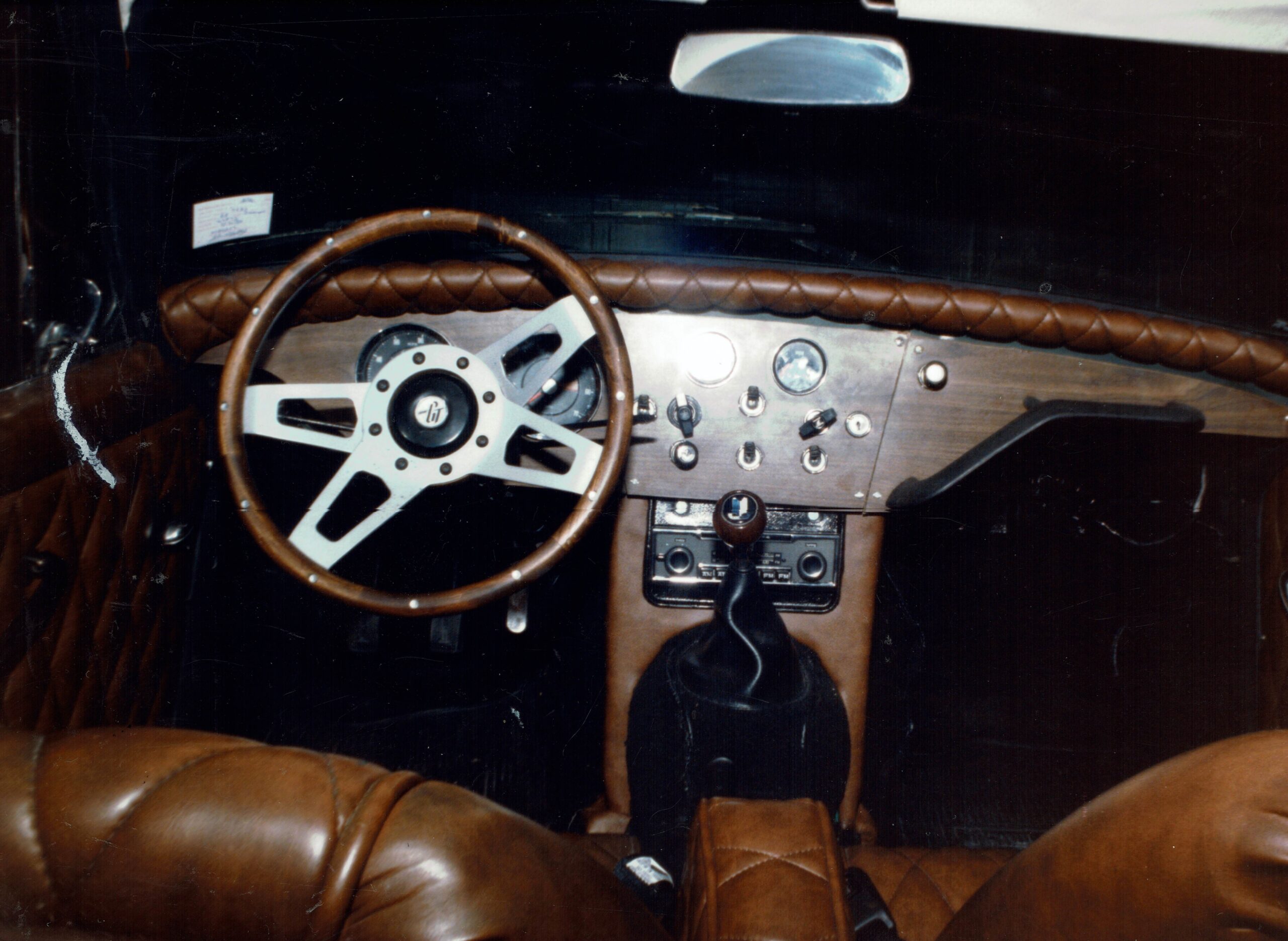
The car turned out pretty well. We did a solid job mechanically and on the interior—carpet, teakwood dash, everything. The only real disappointment was the paint job. Money was tight, so my dad couldn’t afford a professional painter. Instead, we turned to a guy I went to high school with who had just started doing automotive paint work. Unfortunately, it came out rough—full of orange peel.
The previous owner had also tried to make the front end look like a Datsun 280Z. He cut the headlight buckets back, so instead of sitting forward like a proper GT6, the headlights were recessed. He used a ton of Bondo, and not the good kind—just cheap filler that didn’t hold up well. So while the car was mechanically sound and looked good from a distance, the paint and bodywork left something to be desired. If I owned it today I’d have that paint so perfect if a fly landed on it he would slip and break his leg.
As I was getting close to turning 16, my dad grew concerned about me driving the GT6. Like the old Ford Pintos, it had a rear-mounted gas tank, and he worried about what might happen if someone rear-ended me. So, he sold the car. I’m pretty sure he didn’t even get back what he’d put into it—but that wasn’t really the point.
That project laid the foundation for all the skills I’ve built since. It gave me the confidence and knowledge to take on future restorations and mechanical work. I don’t see many GT6s around anymore—maybe three since we built that one. They weren’t very popular restoration targets back in the ’80s, but times have changed. Now, with their rarity and classic styling, they’ve become more sought after.
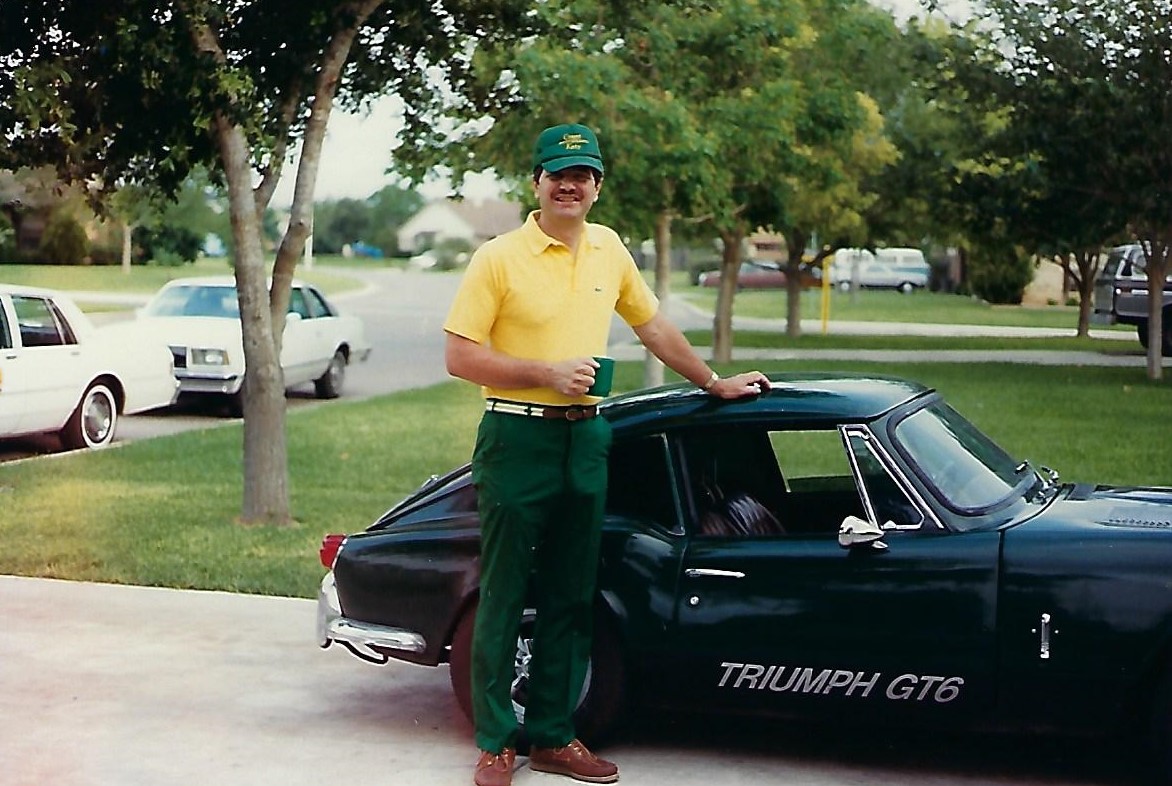
I believe the one we worked on was a Mark I, though I can’t say that with absolute certainty. Triumph produced both Mark I and Mark II GT6s in 1968, and my memory tells me this one was a Mark I. Apologies for the shorts only shots. When it’s 100 degrees in south Texas that’s pretty much how we rolled in the ’80s.
Before and After Gallery