
The Story Behind the Build
Sometimes, when I’m either burned out from working on motorcycles or just in between projects, I like to shift gears and take on something different. Case in point: the golf cart project. It was something totally outside the norm for me.
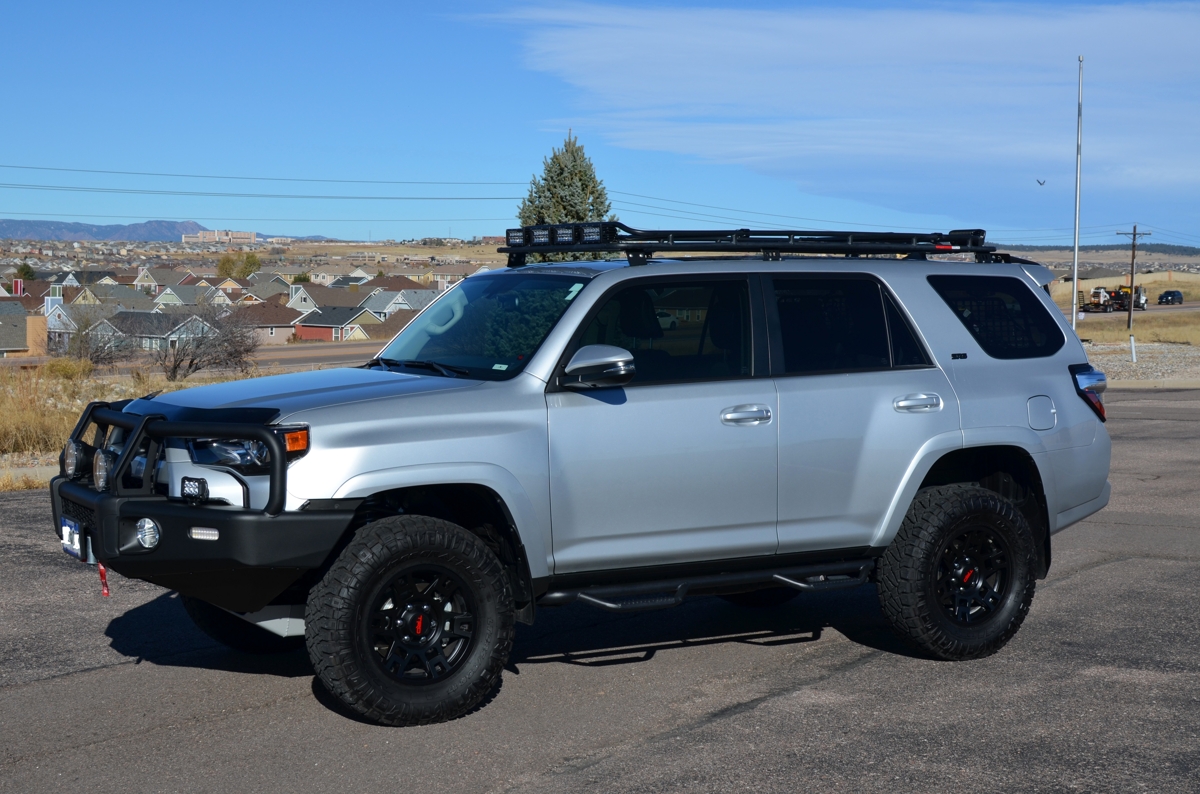
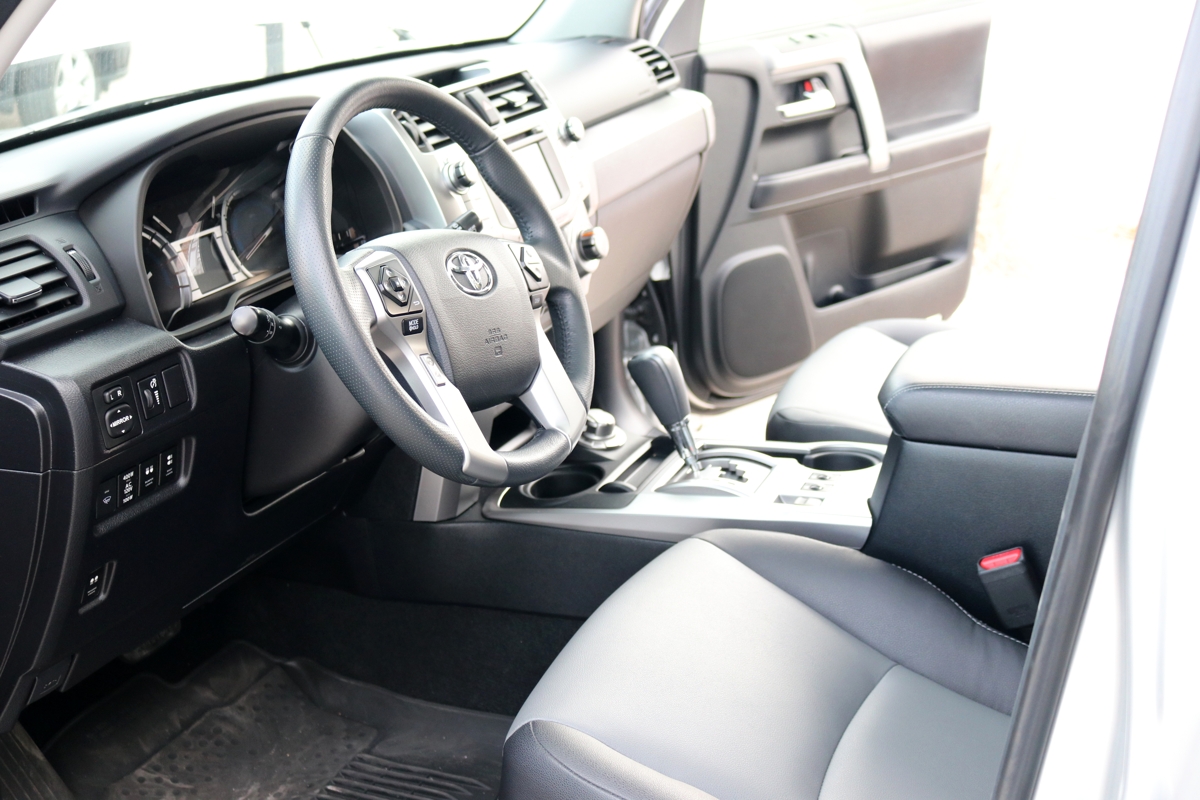
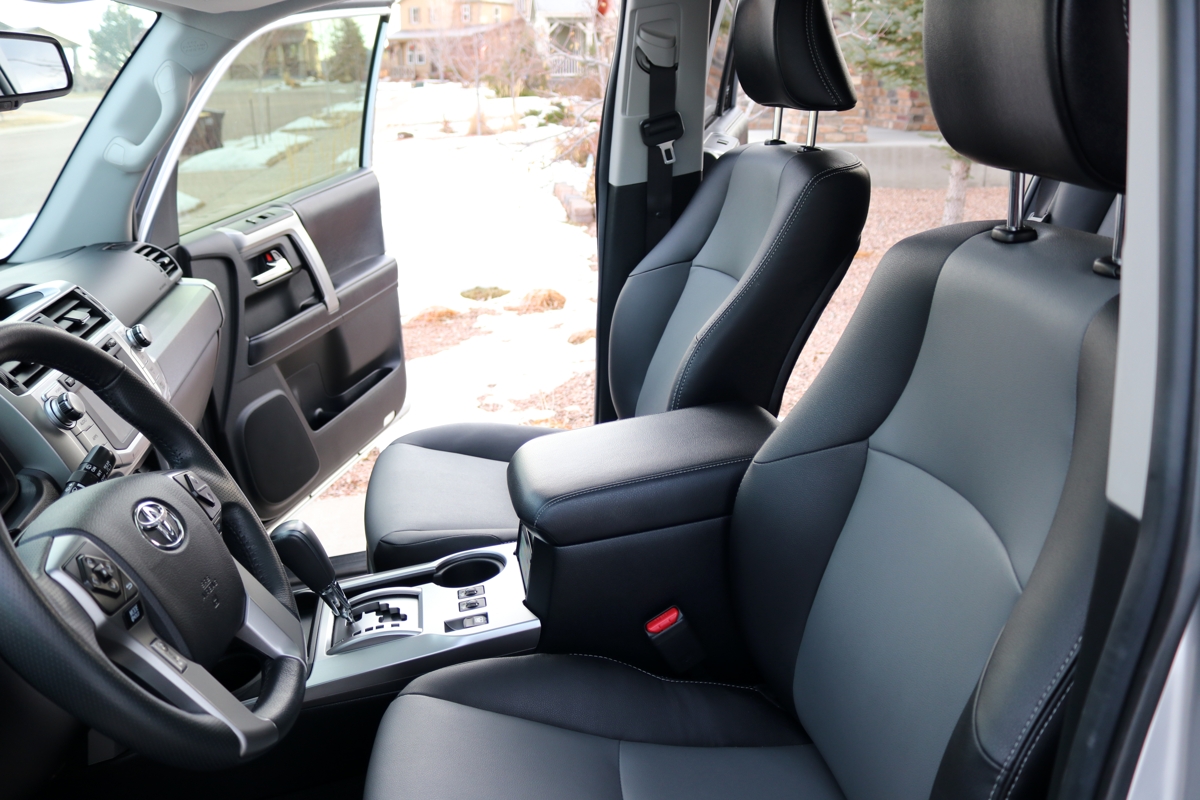
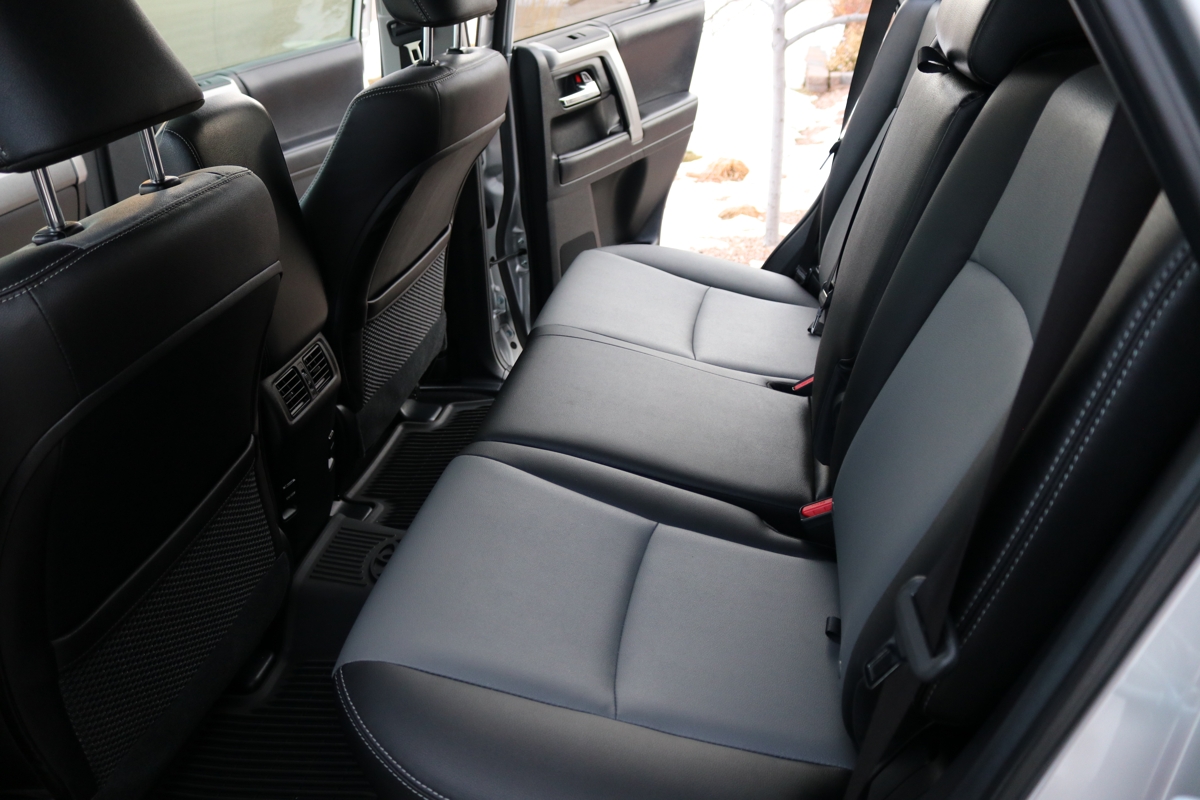
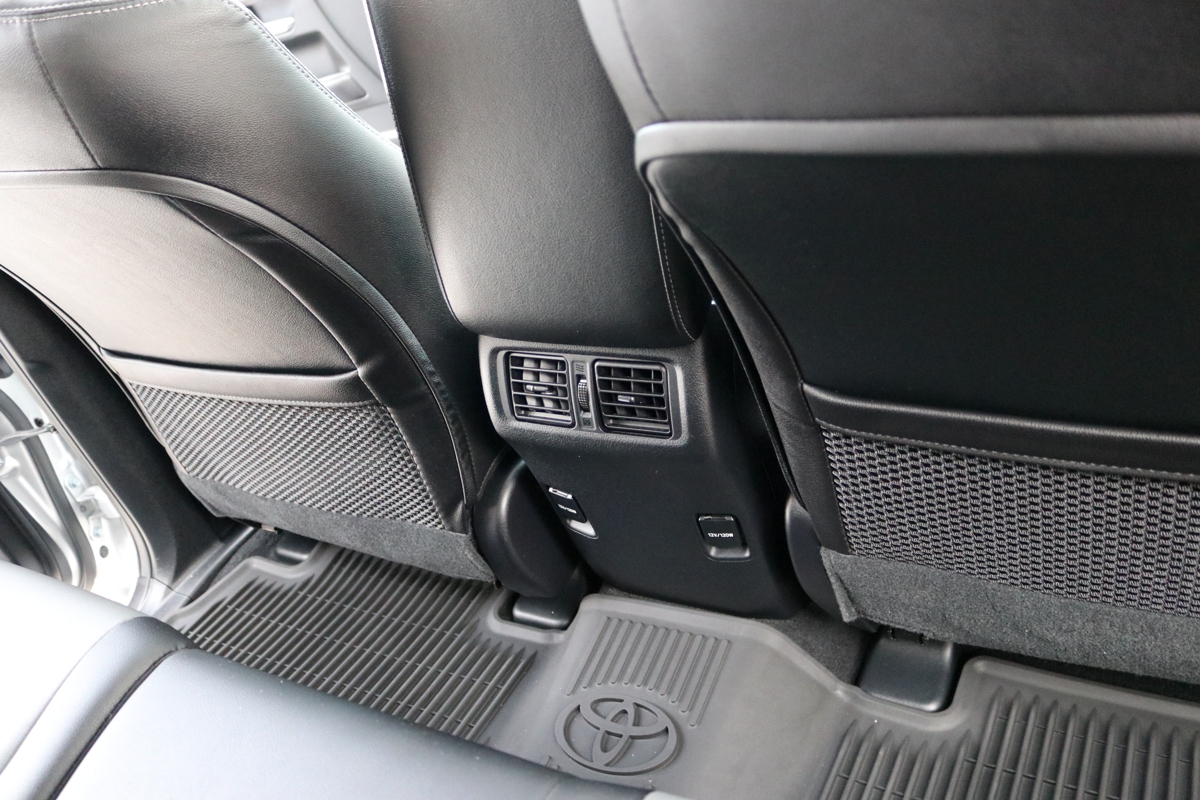
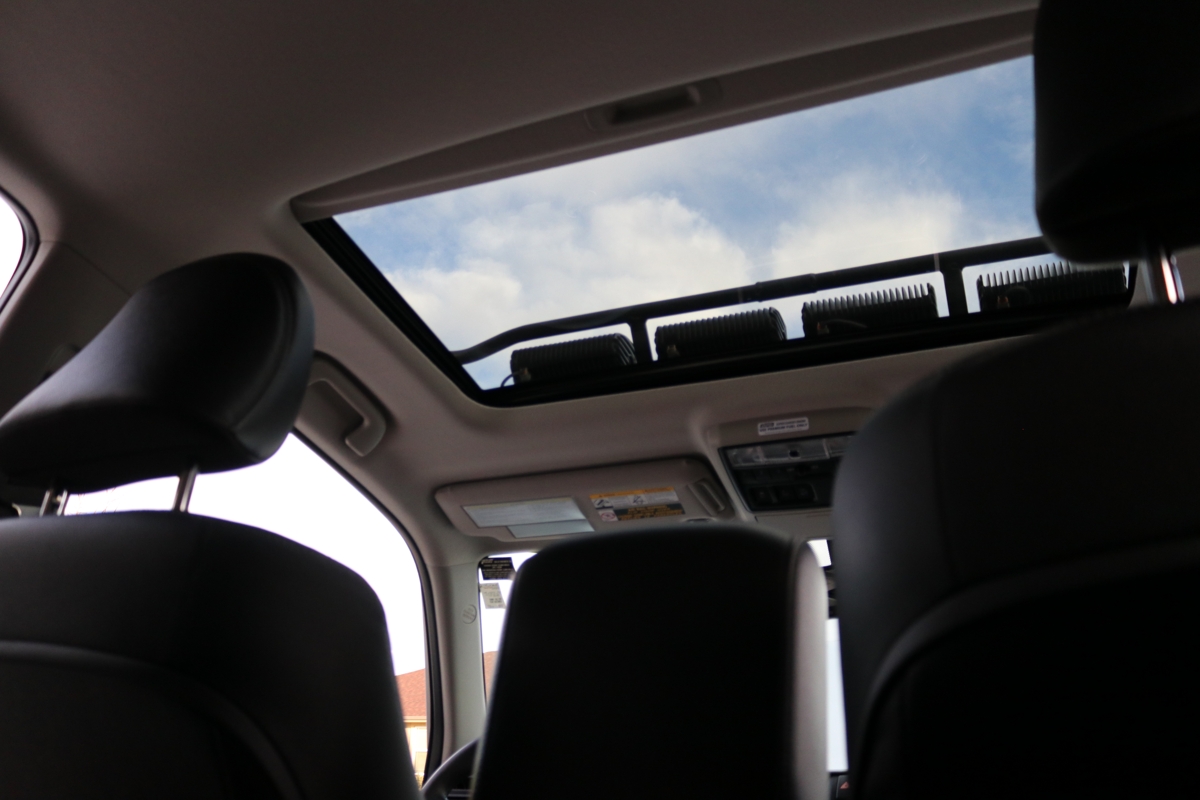
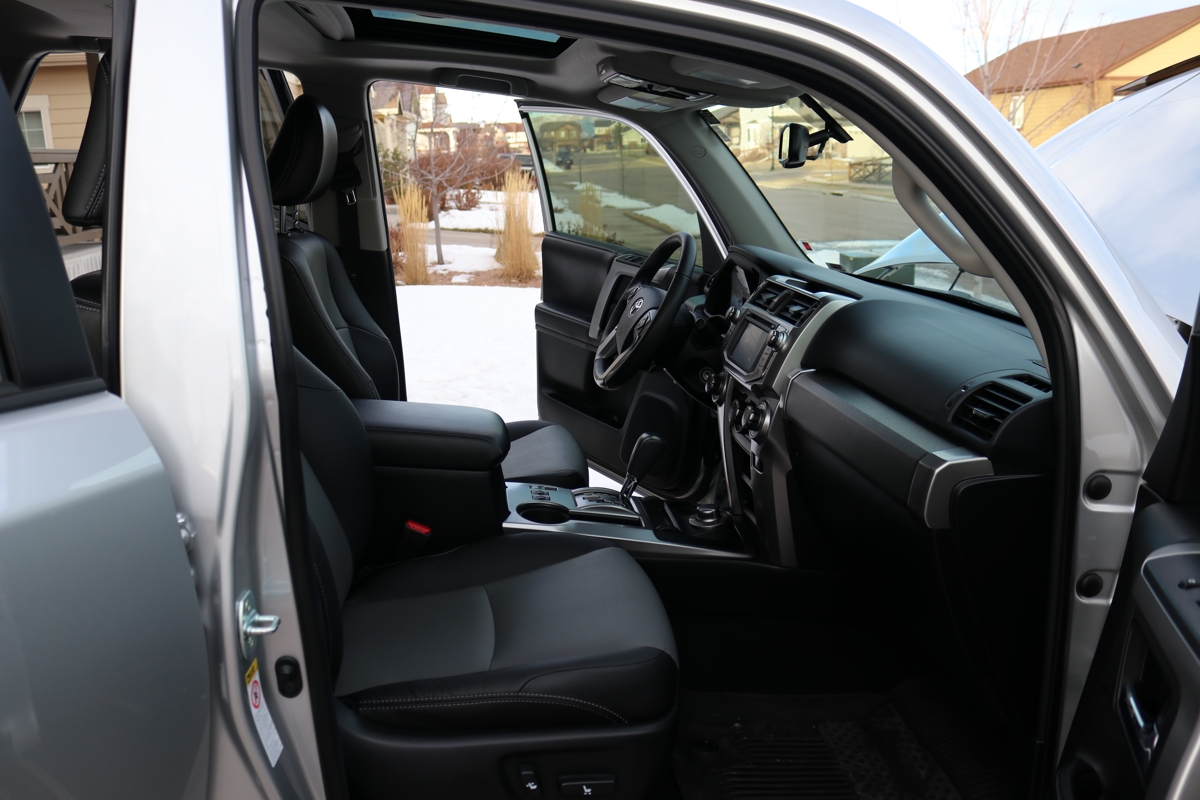
Now, I’ve owned four 4Runners over the years. The first two were just daily drivers—I didn’t do much to them. But I always appreciated the 4Runner’s body styling and interior design. It had a solid, rugged look and made a great vehicle for camping trips and quick getaways.
In 2018, during our annual family Thanksgiving trip, my wife and I stopped by a Toyota dealership—just browsing, with zero intention of buying anything. But as we were walking the lot, one particular 4Runner caught our eye. The dealership had done just enough to make it stand out. It wasn’t a TRD model, but they had slapped on some TRD wheels and what looked like a 2–3 inch shim lift. Poor man’s lift, honestly—not something you’d want for serious off-roading—but it gave the 4Runner a more aggressive stance. Just enough to spark the imagination.
And it worked. I started picturing what this thing could be. Next thing I know, the dealership had set the hook, and Luella and I were driving home in our brand-new Toyota 4Runner.
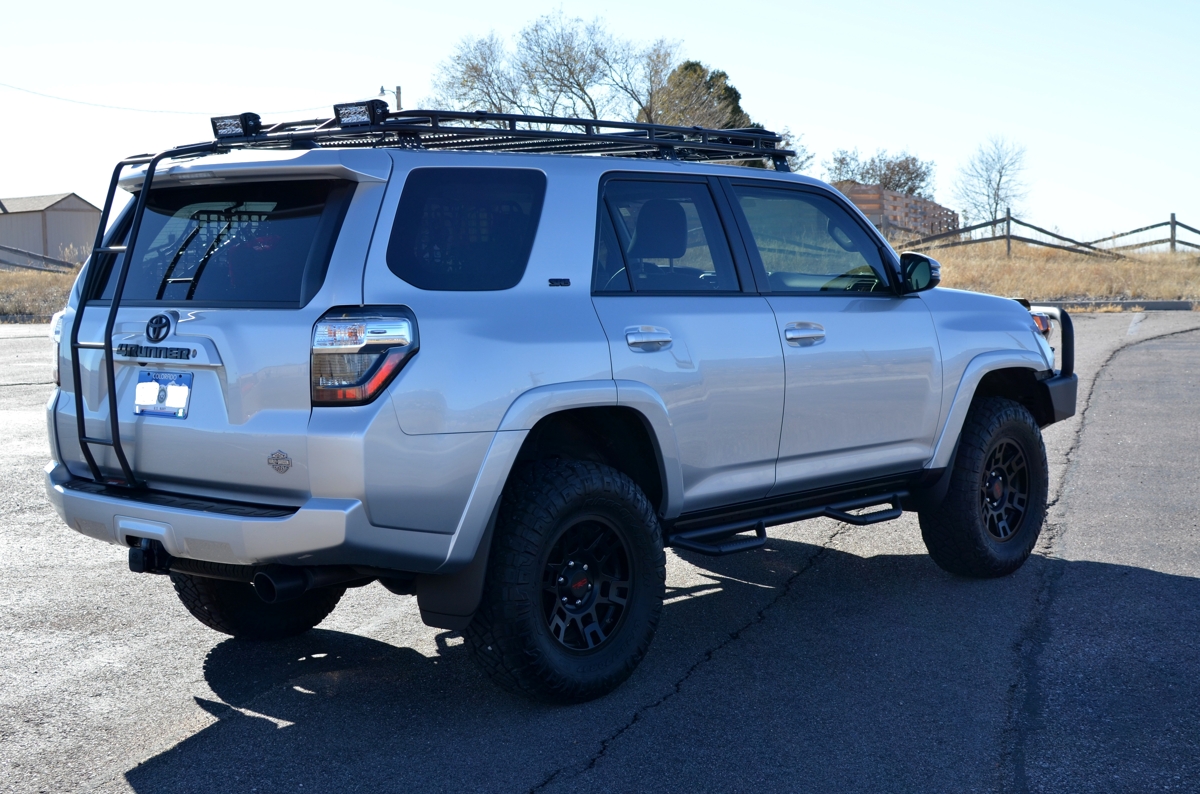
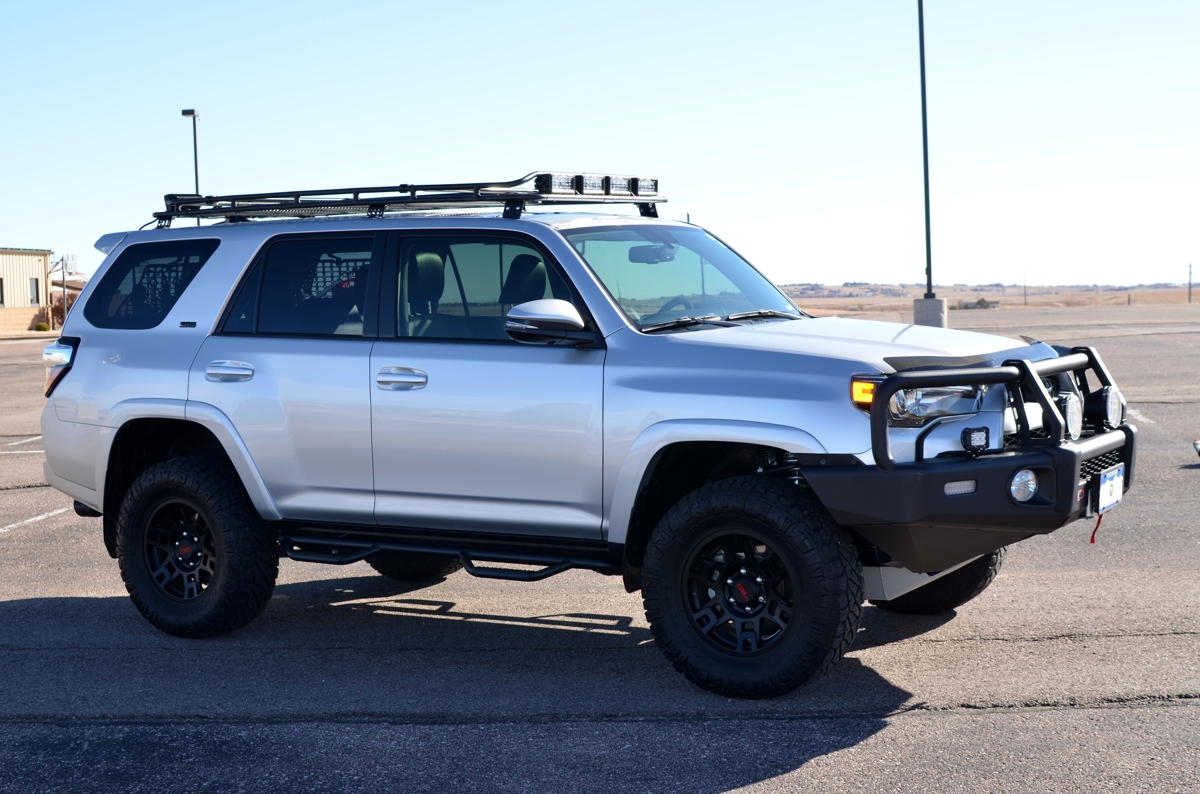
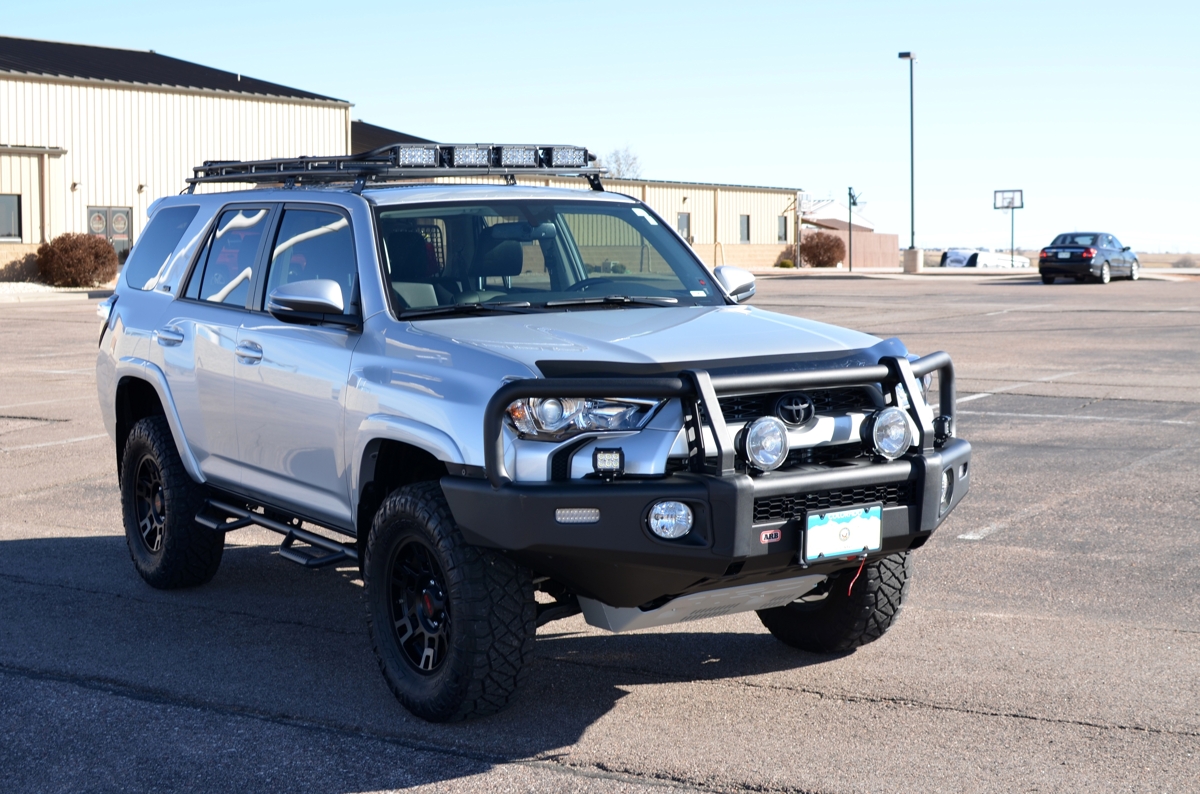
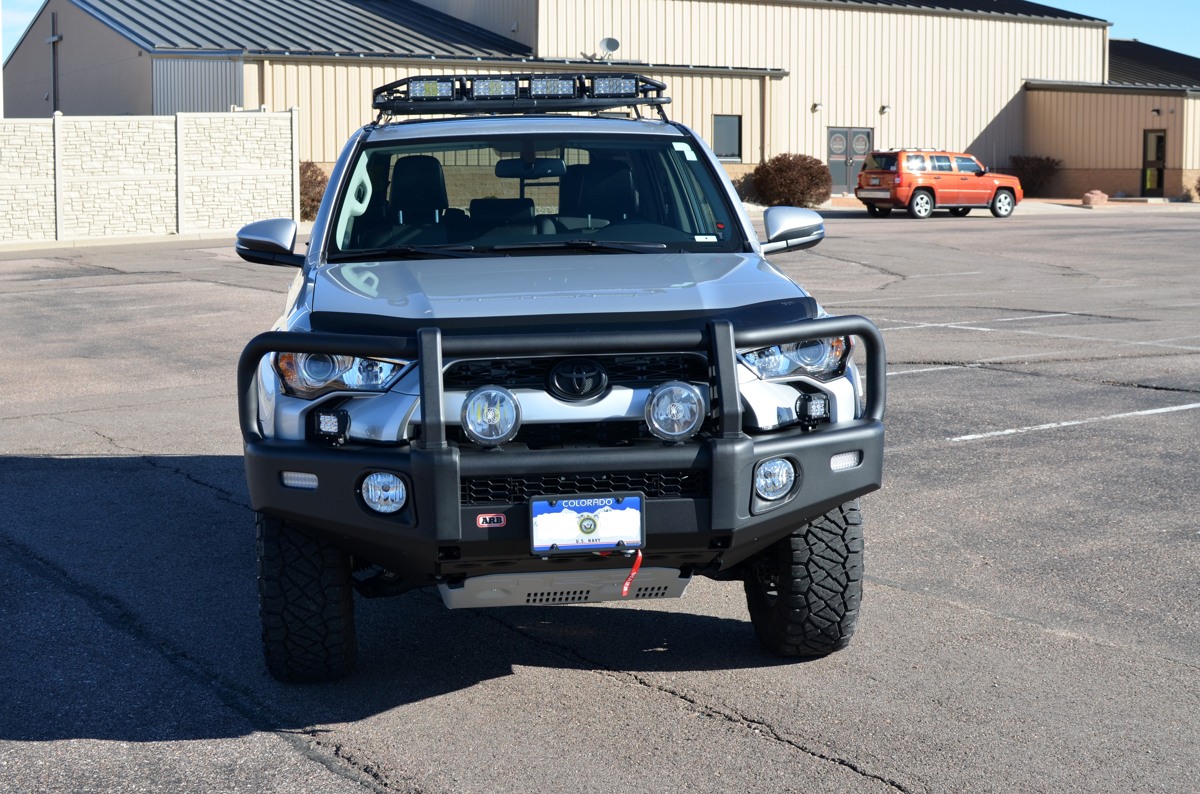
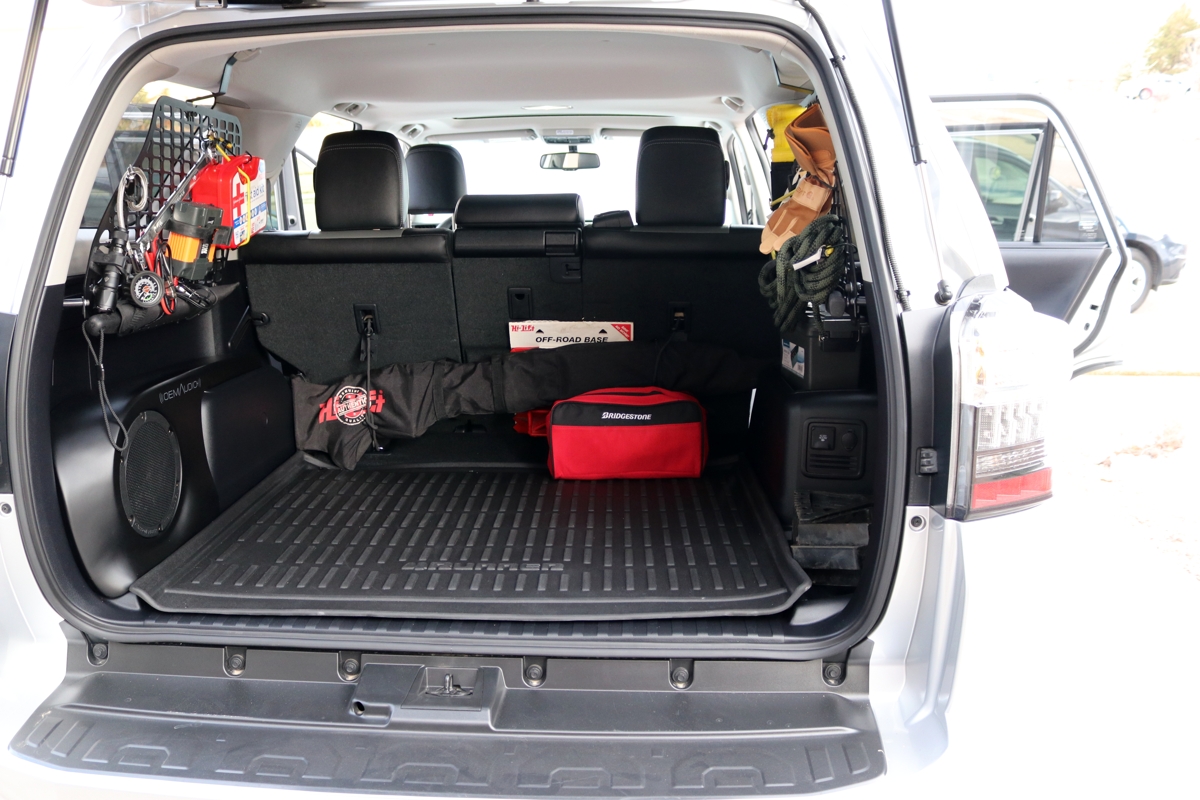
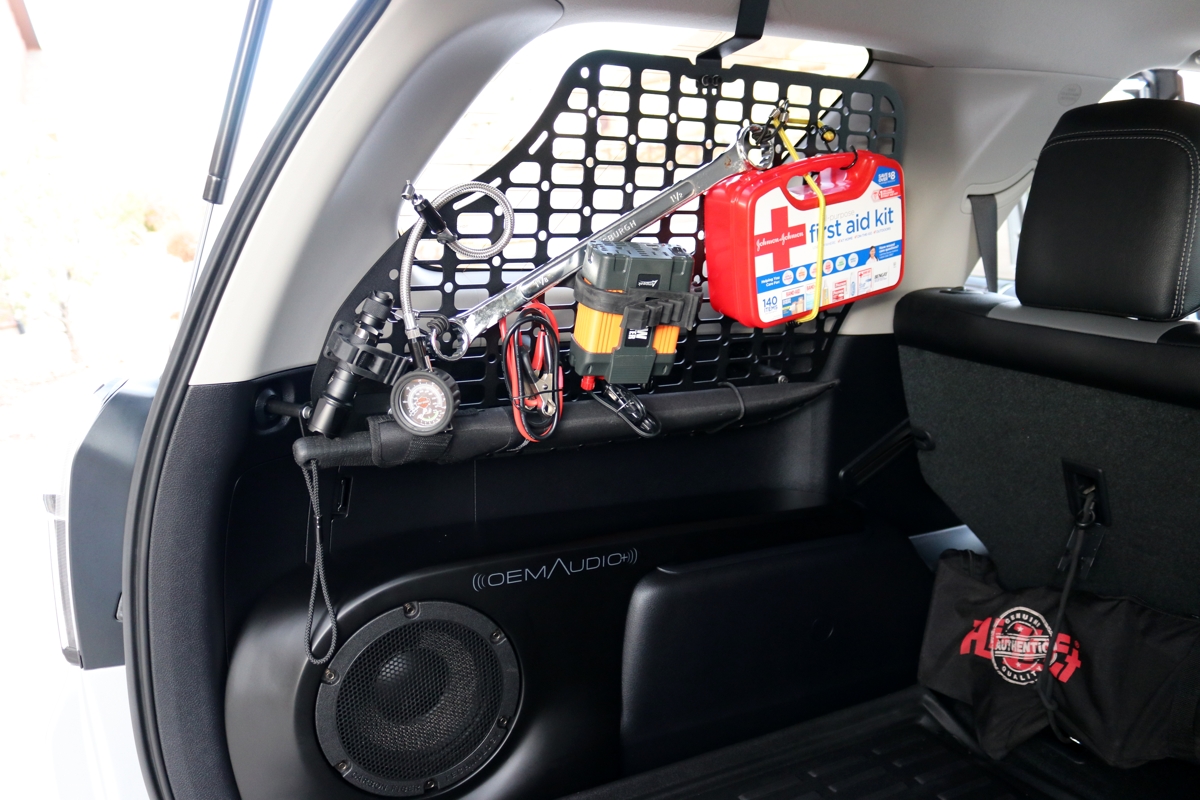
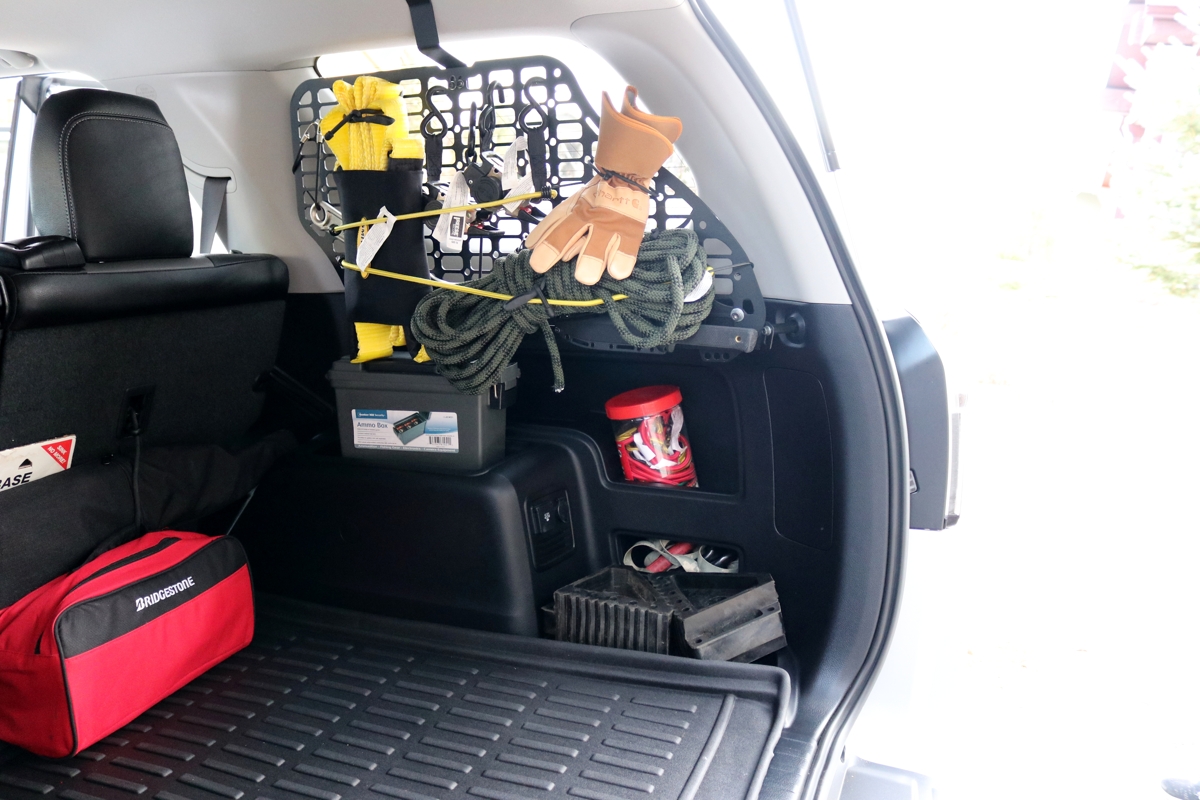
From the beginning, I wasn’t building it for Baja or hardcore trail runs. I was after something different. There’s this concept floating around in the off-road world called a “UAV”—Urban Assault Vehicle. It’s not necessarily designed for trails, but it looks the part and is built for the “just in case” moments, like bugging out when the world goes sideways. I don’t subscribe to a full blown prepper mindset, but I’ll admit… the idea of turning a 4Runner into something that looked mean had its appeal.
But here’s the thing I learned: for all its looks and longevity, the 4Runner’s engine just isn’t built to handle serious weight. Toyota used the same 4.0L V6 they put in the Tacoma. Once you start bolting gear onto it—like armor, winches, racks—it bogs down. It wasn’t made for that kind of load. It was made to haul groceries and haul kids to soccer practice.
To put it in perspective: the 2018 4Runner’s 4.0L V6 puts out 270 hp and 278 lb-ft of torque, with a curb weight around 4,700 lbs. My Bronco Wildtrak, on the other hand, has a 2.7L twin-turbo V6 with 330 hp and 415 lb-ft, and only weighs 4,900 lbs. That’s 22% more horsepower, nearly 50% more torque, and only 5% more weight. Think about that. The 4Runner is a grocery-getter. The Bronco? It’ll go just about anywhere. The Wildtrak even comes with Ford G.O.A.T. (Goes Over Any Terrain) which adds selectable drive modes to optimize traction, throttle, and steering for varying terrain conditions.
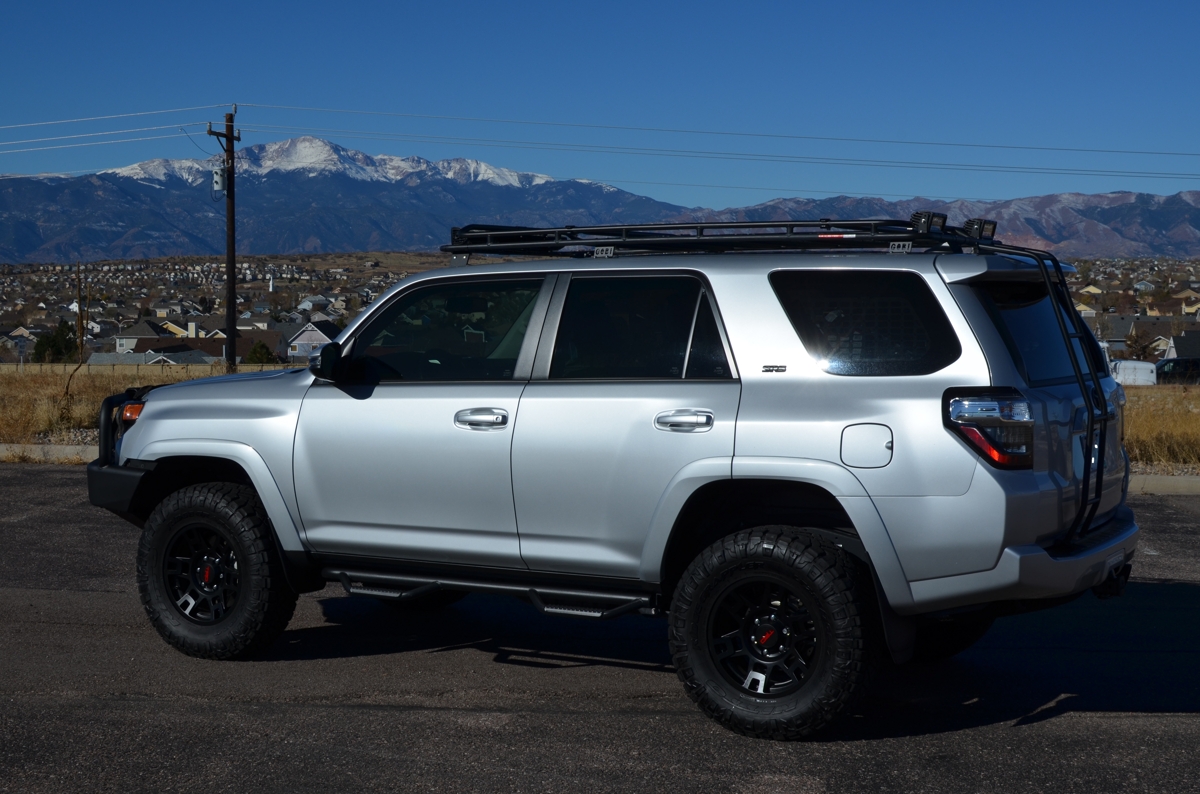
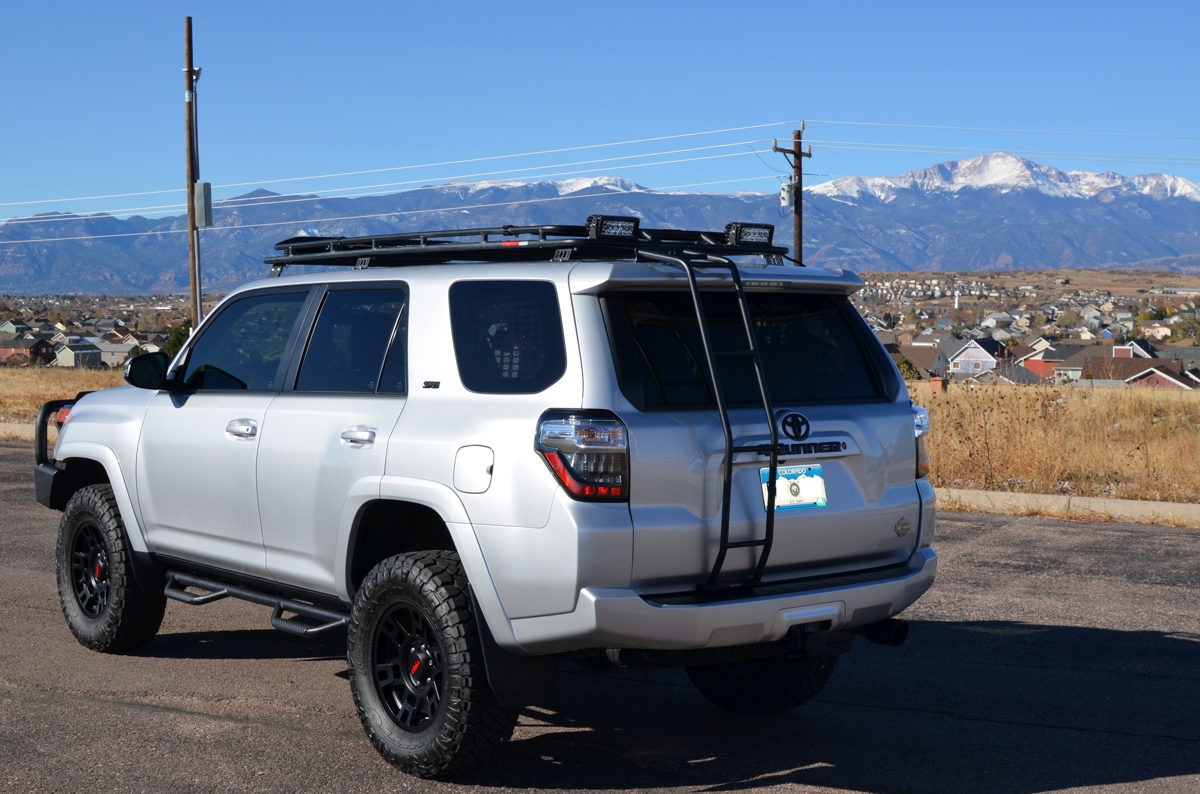
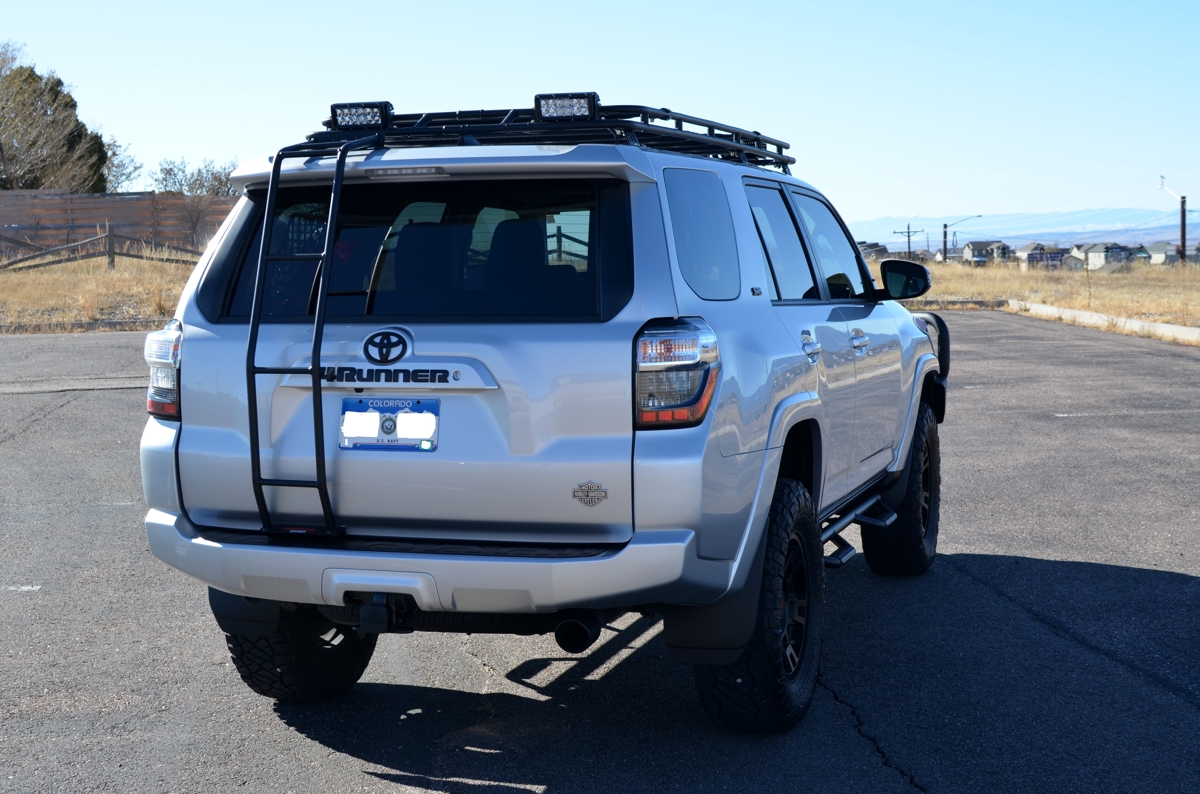
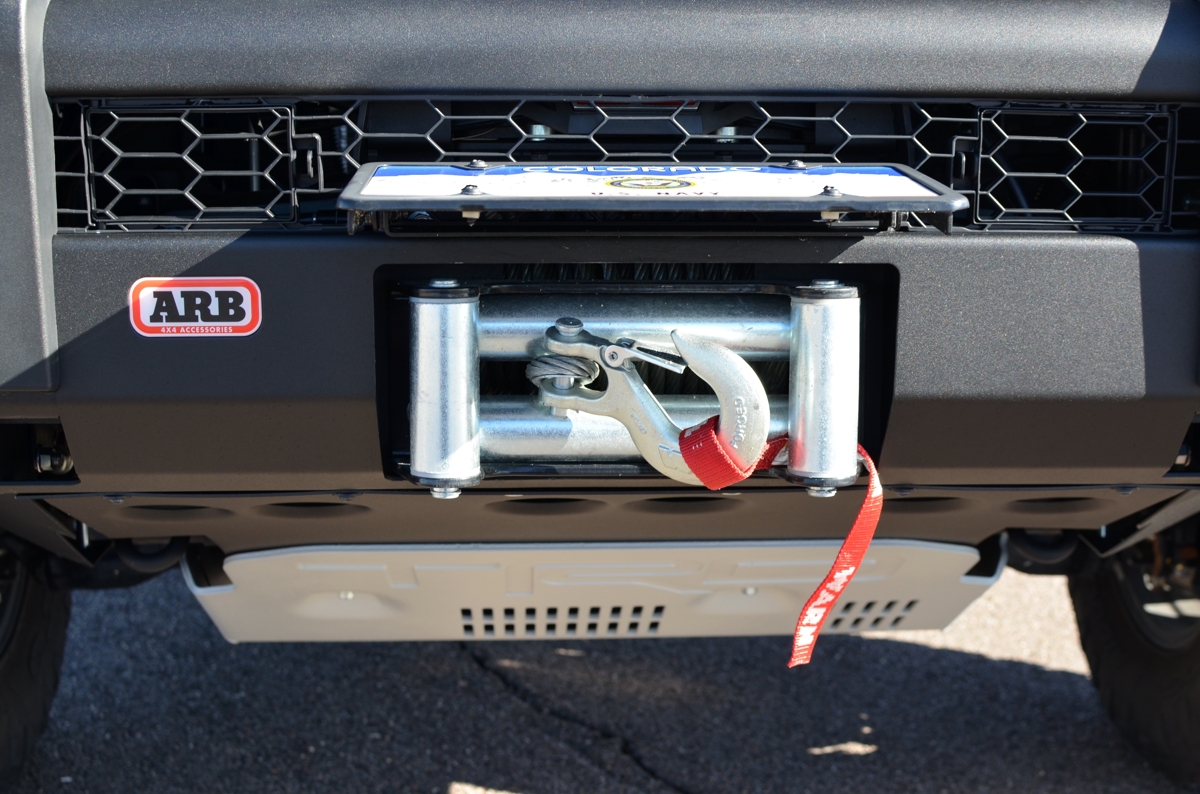
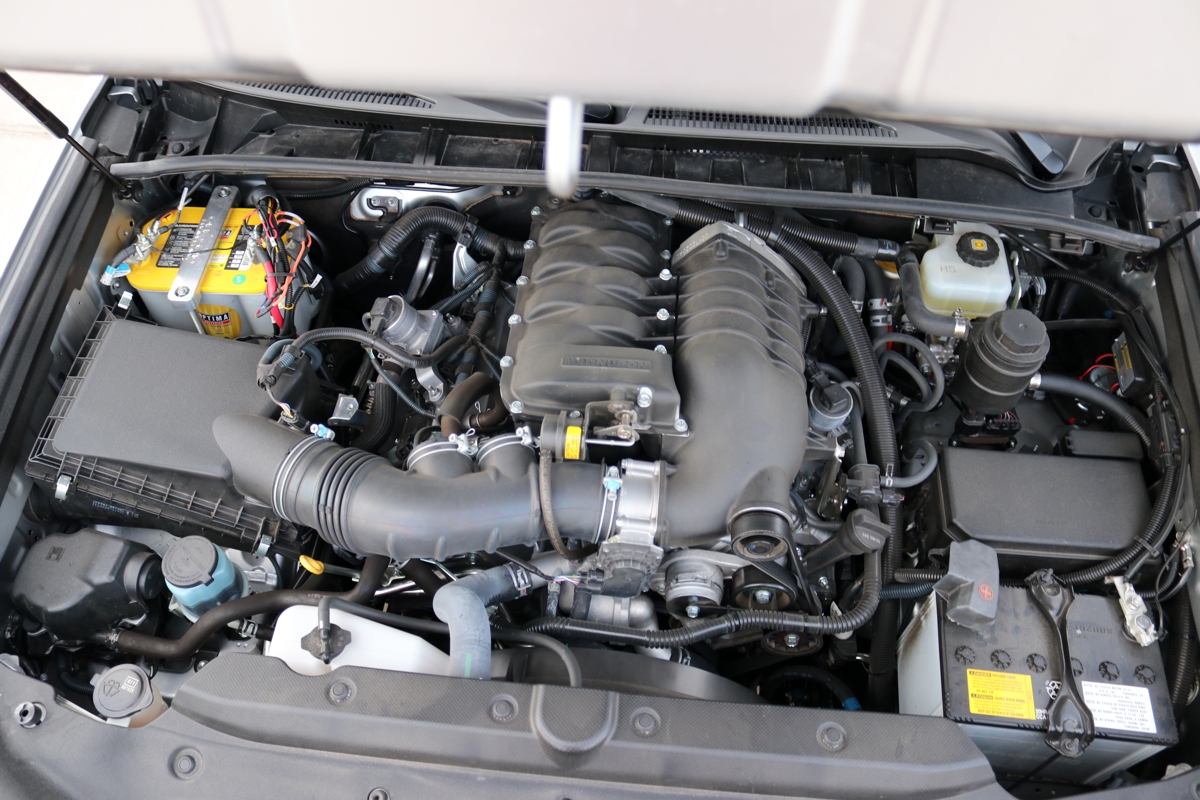
And here’s the kicker—the Bronco gets better gas mileage! The 4Runner gulps fuel like it’s on a mission. Once I added an ARB Summit bull bar and a winch—about 300 pounds combined—I had to throw on a Magnuson Roller Rocker supercharger just to bring it back to life. Sure, it definitely woke the engine up—but I paid for it at the pump, not to mention the cost of the part and installation. And yes, I had Toyota install it. I was still in that “it’s a brand-new vehicle under warranty” mindset, plus my wife made it clear: if I screwed something up doing the install myself (which was entirely possible), we could end up with a useless vehicle and a much bigger repair bill. I did 100% of the remaining upgrades.
What I loved most about that build was how much of a sleeper it was. I’d pull up next to another 4Runner, and they’d see the bull bar and think they could take me. But with that supercharger, there’s no turbo spool-up—it’s instant power. I’d hit the throttle and leave them wondering what just happened.
That 4Runner lived in the garage most of the time. My wife told me, “You know what your problem is? You made it too pretty. Now you’re afraid to use it.” And she wasn’t wrong.
In the end, I didn’t lose much on the deal. Some guy wanted it bad—said his wife had a birthday coming up and she wanted a souped-up 4Runner. Well, she got one. He stepped right up and paid what I was asking.
Final thoughts: Toyota once offered a V8 in the 4Runner. Sure, even back then it wasn’t exactly a powerhouse—but with today’s technology, they could’ve done something truly special with it. Up until 2022, you could still get a V8 in a Sequoia, but that rig doesn’t come close to the 4Runner’s curb appeal. As for me, I’ll never own another 4Runner. I just can’t stand the engine—not because it lacks reliability, but because it has absolutely no get-up-and-go.
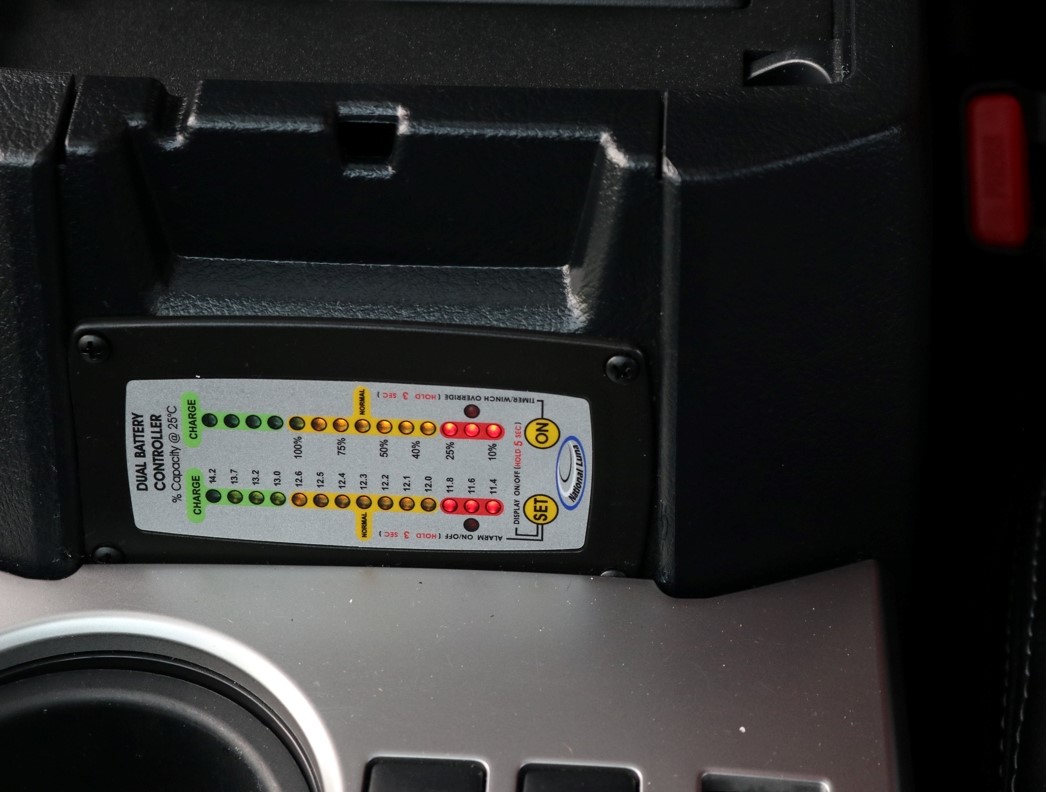
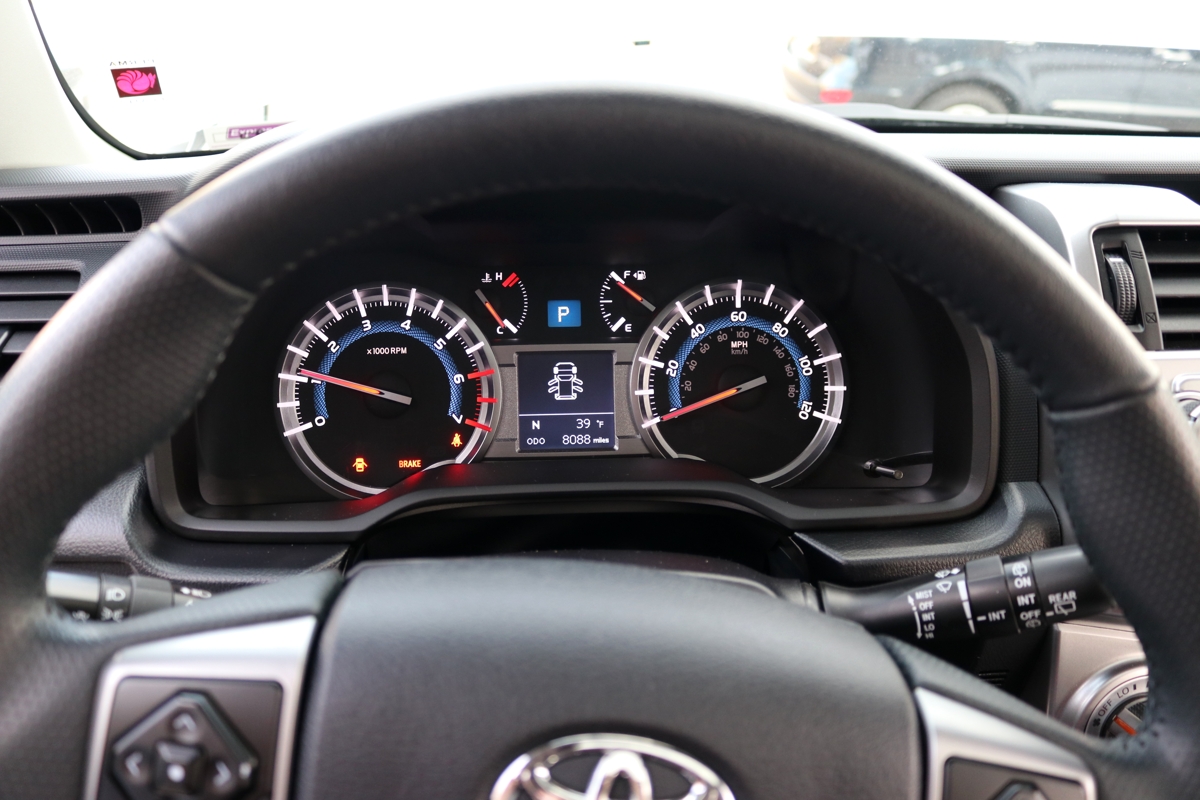
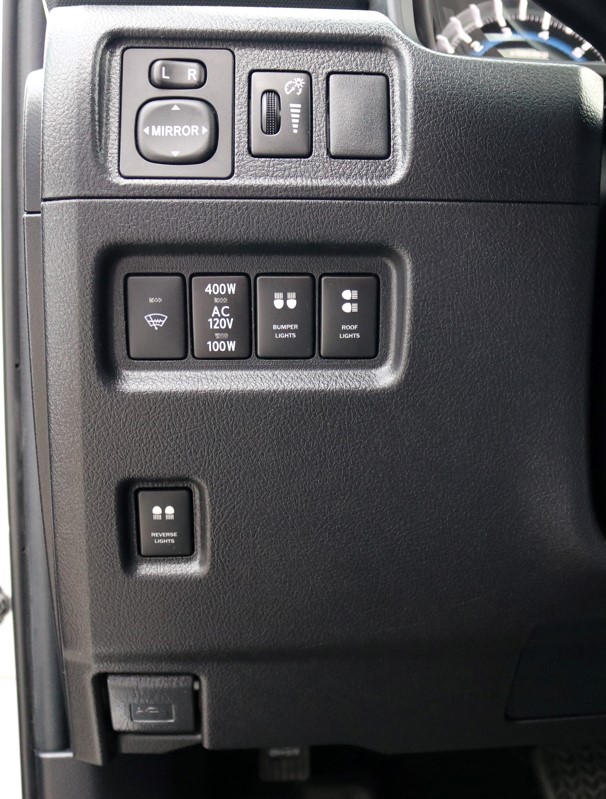
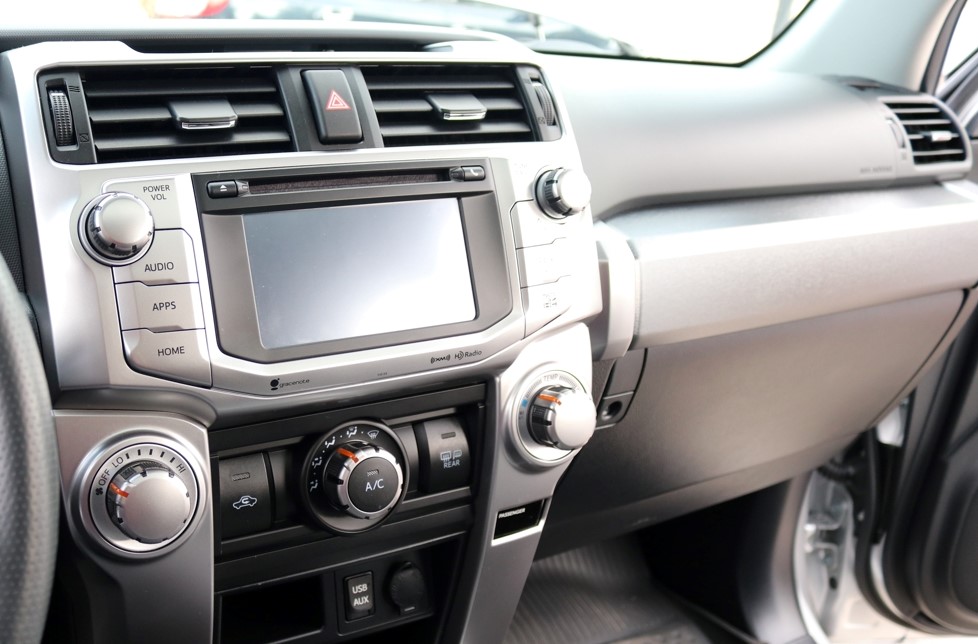
Specifications – Click to collapse
🚙 Model Overview
The 2018 Toyota 4Runner SR5 is a rugged, body-on-frame SUV built for real-world off-road performance while still delivering everyday drivability. As the base trim in the lineup, the SR5 offers proven reliability, a strong V6 engine, and available 4WD with low-range gearing. It’s a practical option for drivers who want adventure-ready capability without sacrificing interior comfort and utility.
🔧 Powertrain & Performance
- Engine: 4.0-liter V6 DOHC 24-valve with Dual Independent Variable Valve Timing with intelligence (VVT-i)
- Horsepower: 270 hp @ 5,600 rpm
- Torque: 278 lb-ft @ 4,400 rpm
- Transmission: 5-speed electronically controlled automatic with sequential shift mode
- Drivetrain Options:
- Rear-wheel drive (standard)
- Part-time 4WD with Active Traction Control (optional)
- Towing Capacity: 5,000 lbs with integrated tow hitch receiver and wiring harness
- Fuel Economy:
- RWD: 17 mpg city / 21 mpg highway
- 4WD: 17 mpg city / 20 mpg highway
🛞 Chassis & Suspension
- Front Suspension: Independent double-wishbone with coil springs and stabilizer bar
- Rear Suspension: 4-link rigid axle with coil springs and stabilizer bar
- Brakes: Power-assisted 4-wheel ventilated disc brakes
- Wheels: 17″ 6-spoke alloy wheels
- Tires: P265/70R17
📏 Dimensions
- Length: 190.2 in
- Wheelbase: 109.8 in
- Width: 75.8 in
- Height: 71.5 in
- Ground Clearance: 9.6 in
- Approach/Departure Angles: 33° / 26° (approximate for 4WD)
- Curb Weight:
- RWD: ~4,400 lbs
- 4WD: ~4,750 lbs
- Fuel Tank Capacity: 23 gallons
🧰 Interior & Features
- Seating Capacity: 5 passengers (optional 7-passenger with third-row seating)
- Upholstery: Fabric-trimmed seats
- Driver Seat: 8-way power-adjustable with lumbar support
- Infotainment:
- 6.1″ touchscreen display
- 8-speaker audio system
- Bluetooth® hands-free and audio streaming
- USB and auxiliary inputs
- Integrated backup camera
- Climate Control: Manual air conditioning with rear vents
- Convenience: Power rear liftgate window, remote keyless entry, cruise control, and 12V power outlets
🛡️ Safety
- Toyota Star Safety System™, including:
- Vehicle Stability Control (VSC)
- Traction Control (TRAC)
- Anti-lock Braking System (ABS)
- Electronic Brake-force Distribution (EBD)
- Brake Assist (BA)
- Smart Stop Technology (SST)
- 8 standard airbags
- Tire Pressure Monitoring System (TPMS)
- LATCH child seat anchors
🧭 Off-Road Capability (4WD Models)
- Part-time 4WD with 2-speed transfer case
- Active Traction Control (A-TRAC)
- Hill Start Assist Control (HAC)
- Downhill Assist Control (DAC)
- Skid plates (engine, front suspension, fuel tank, transfer case)
🎯 Final Notes
The 2018 4Runner SR5 carries on Toyota’s legacy of building no-nonsense SUVs that are as capable on a rocky trail as they are on a suburban street. With its stout frame, reliable drivetrain, and timeless styling, the SR5 is a popular choice for those who value durability, resale value, and go-anywhere confidence.