
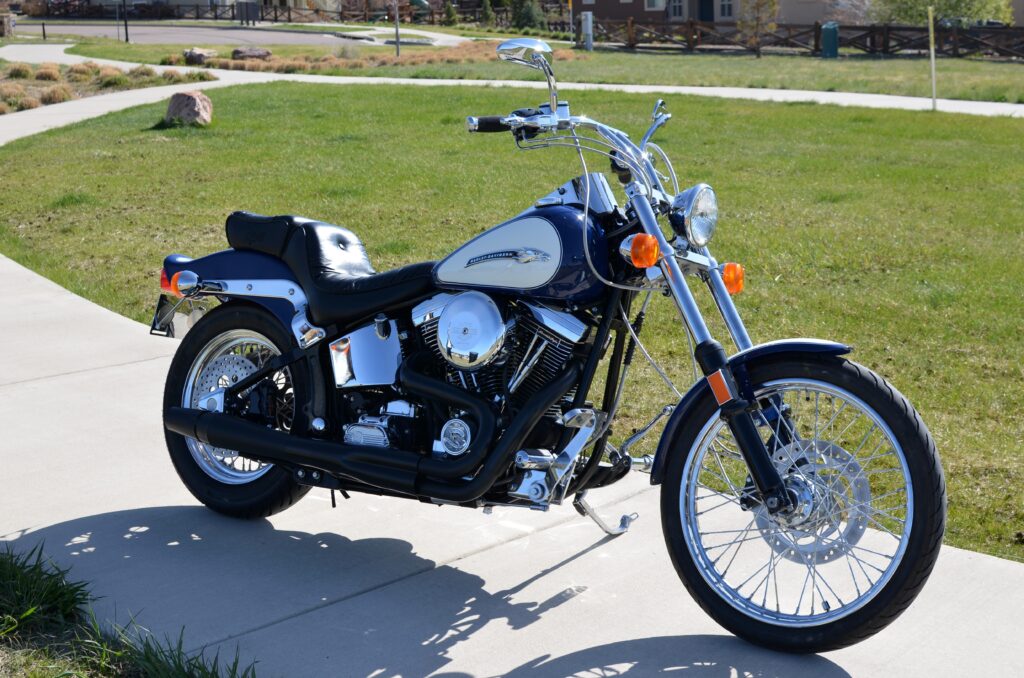
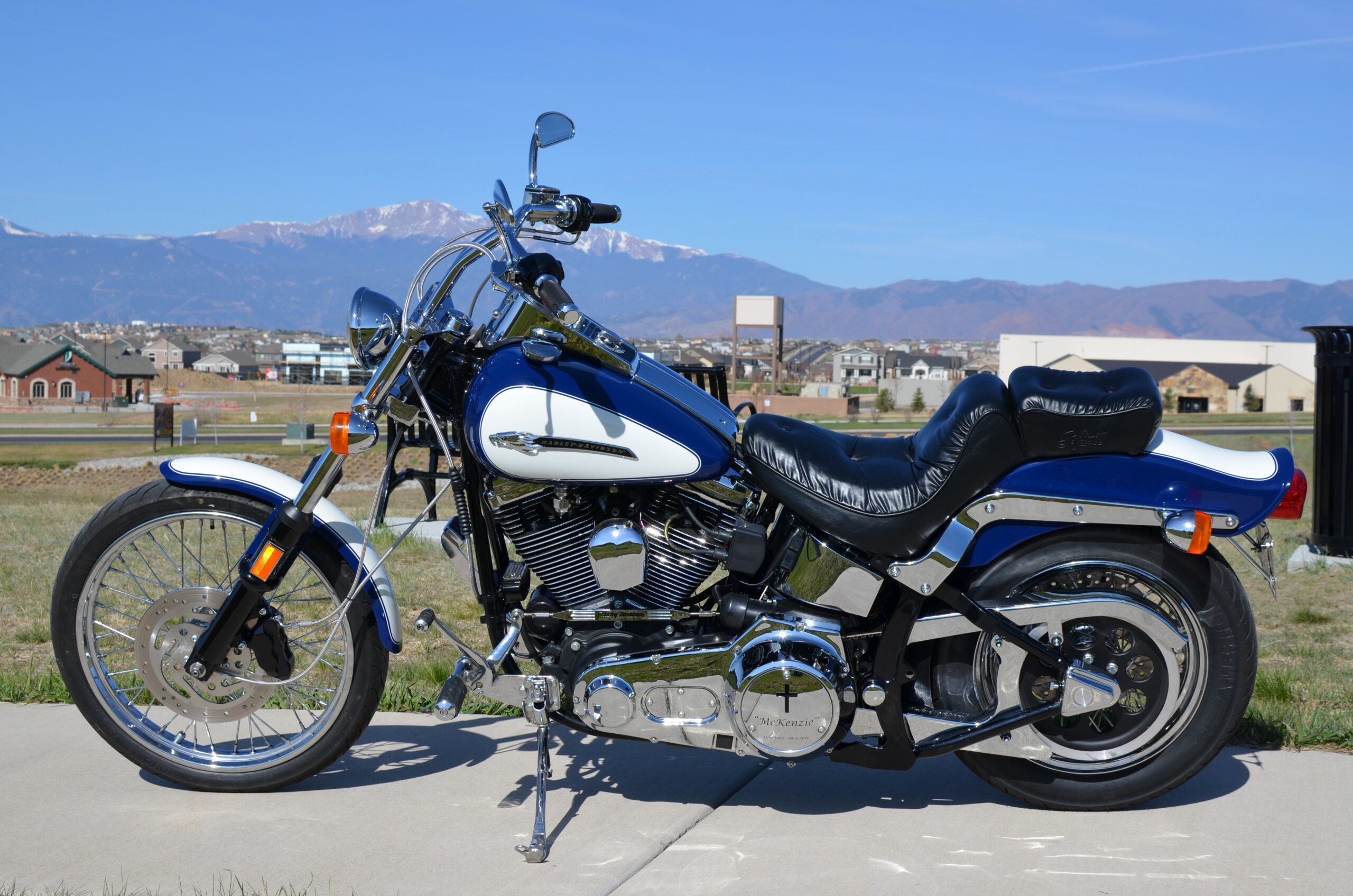
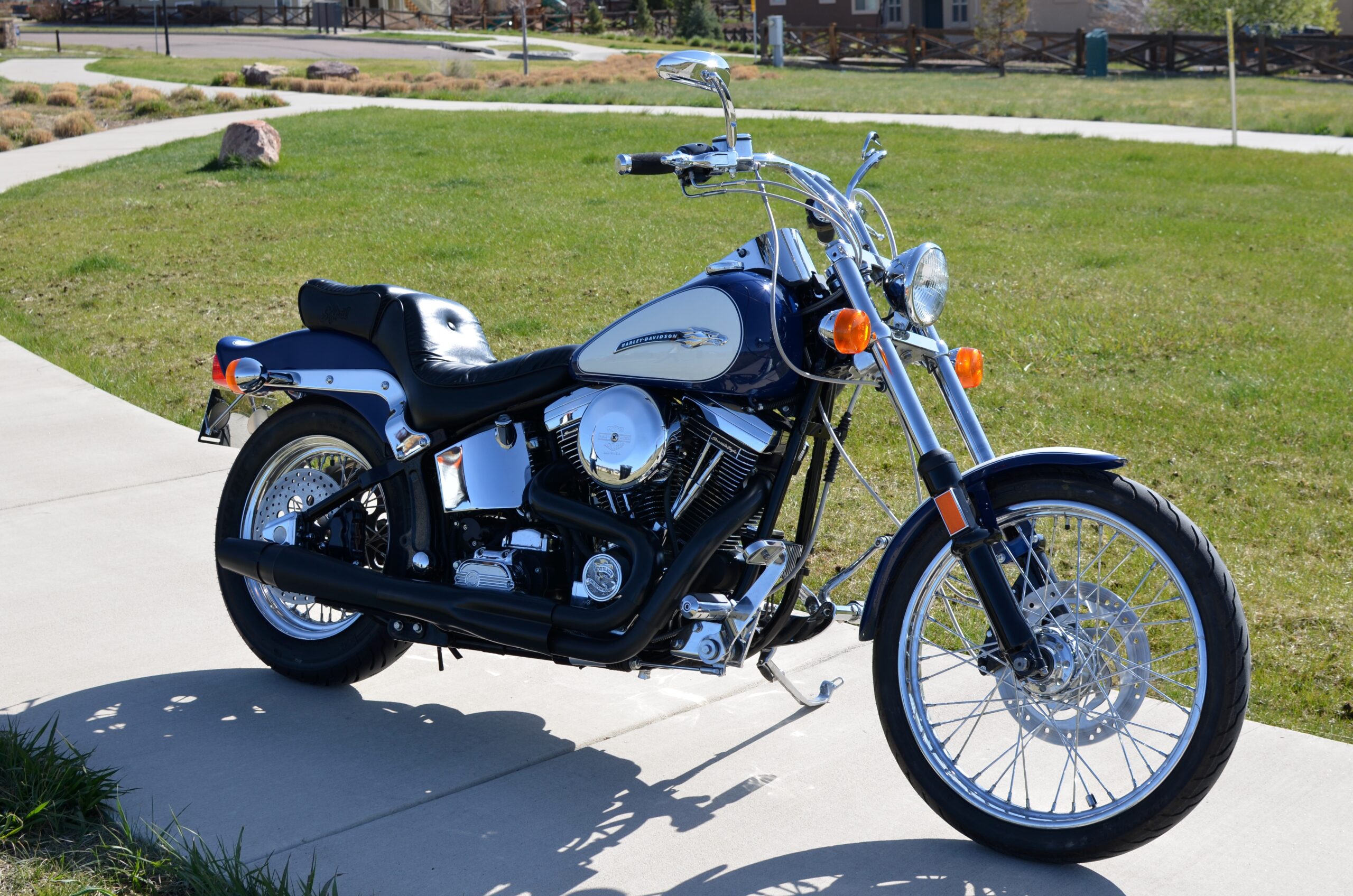
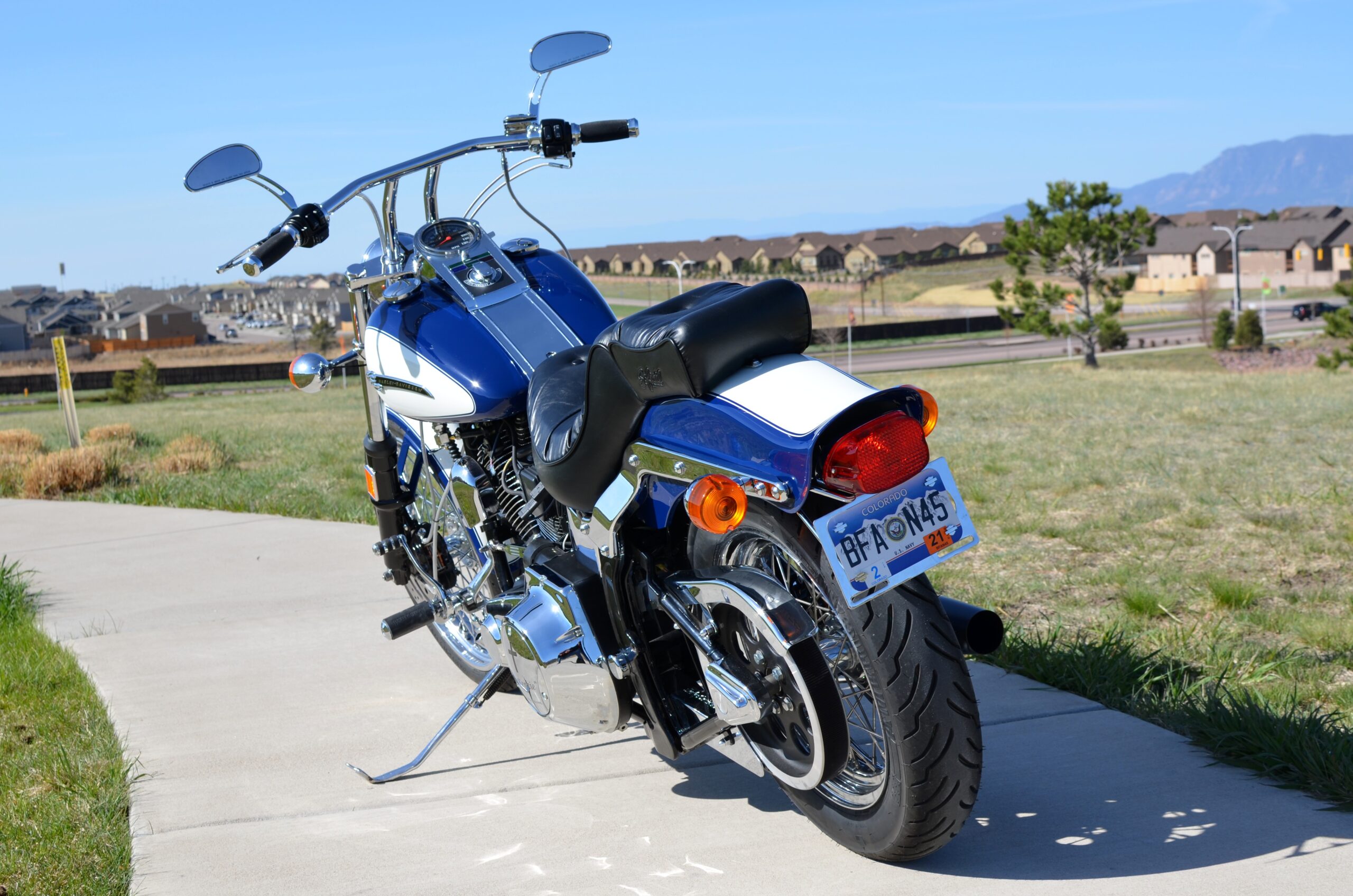
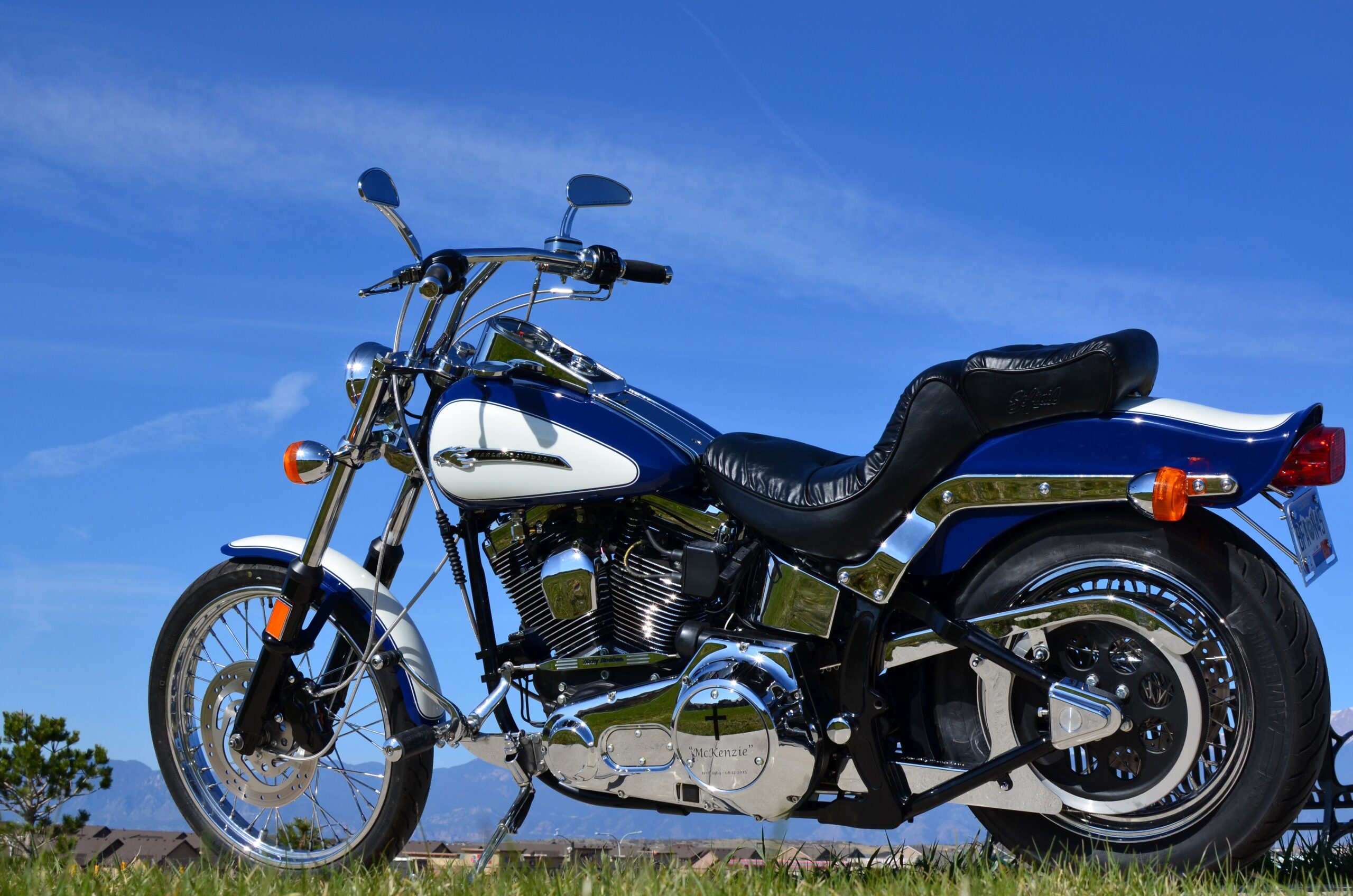
1987 Harley Davidson Softail Custom
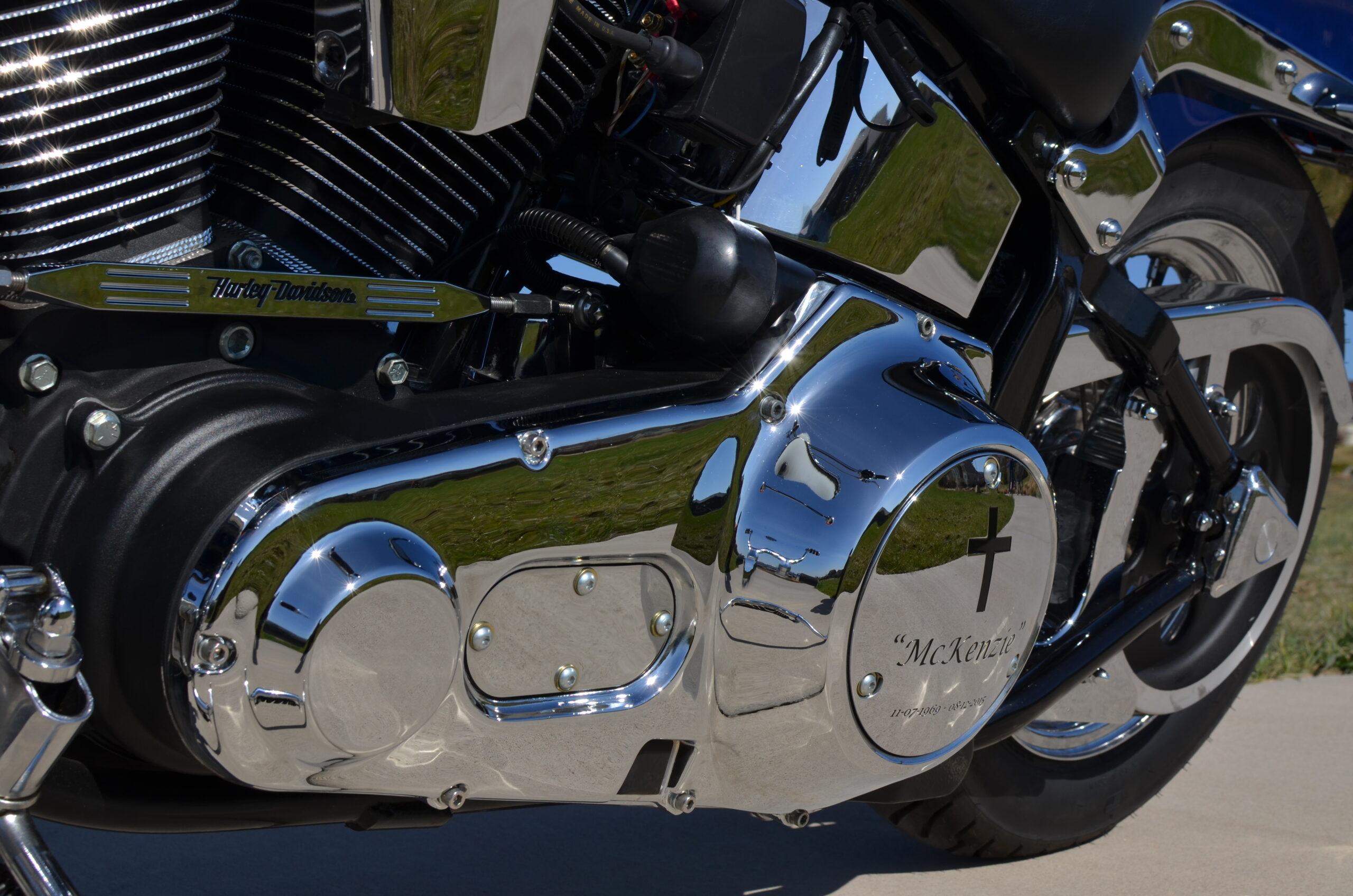
Project: McKenzie
The Story Behind the Bike
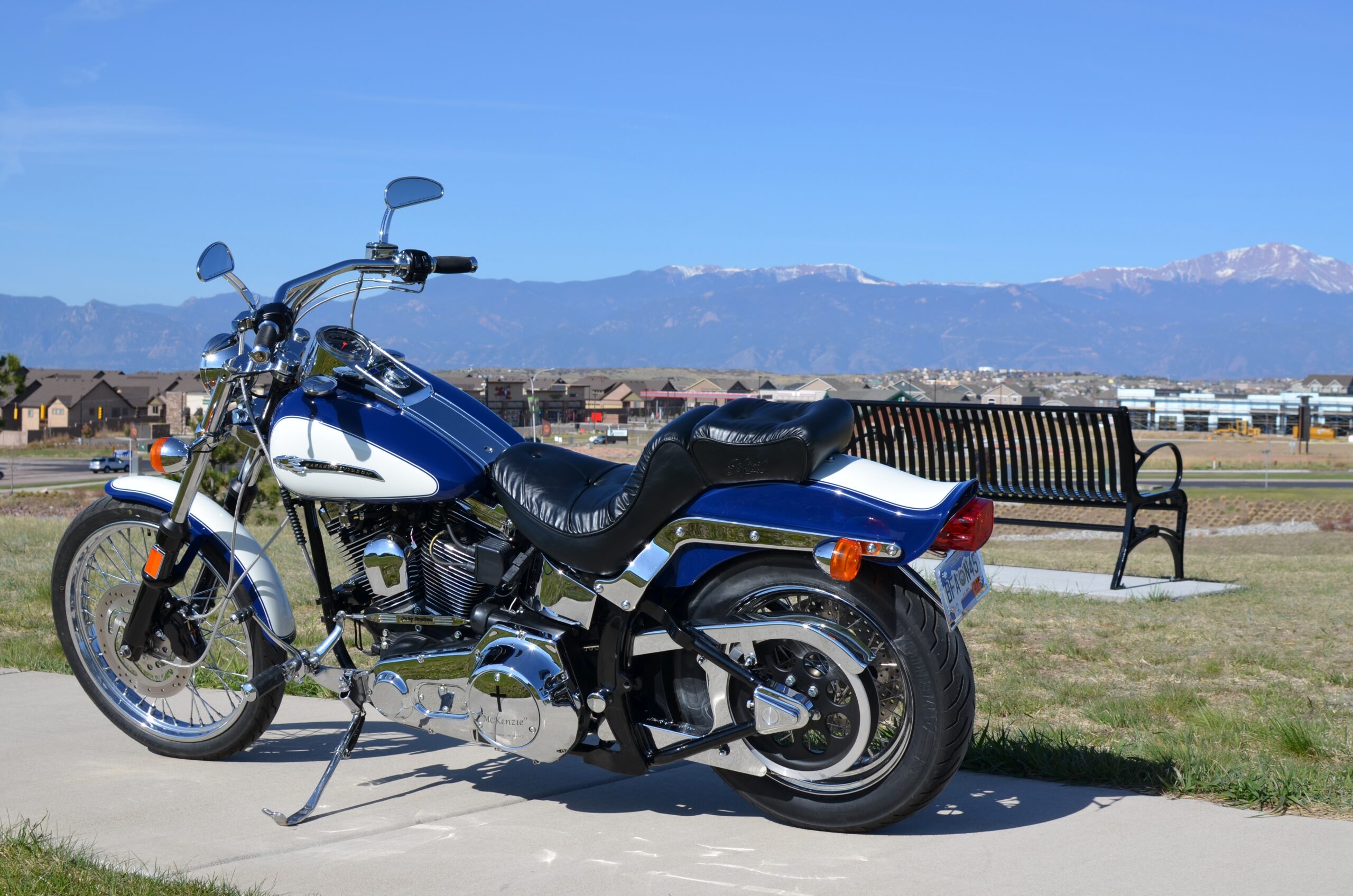
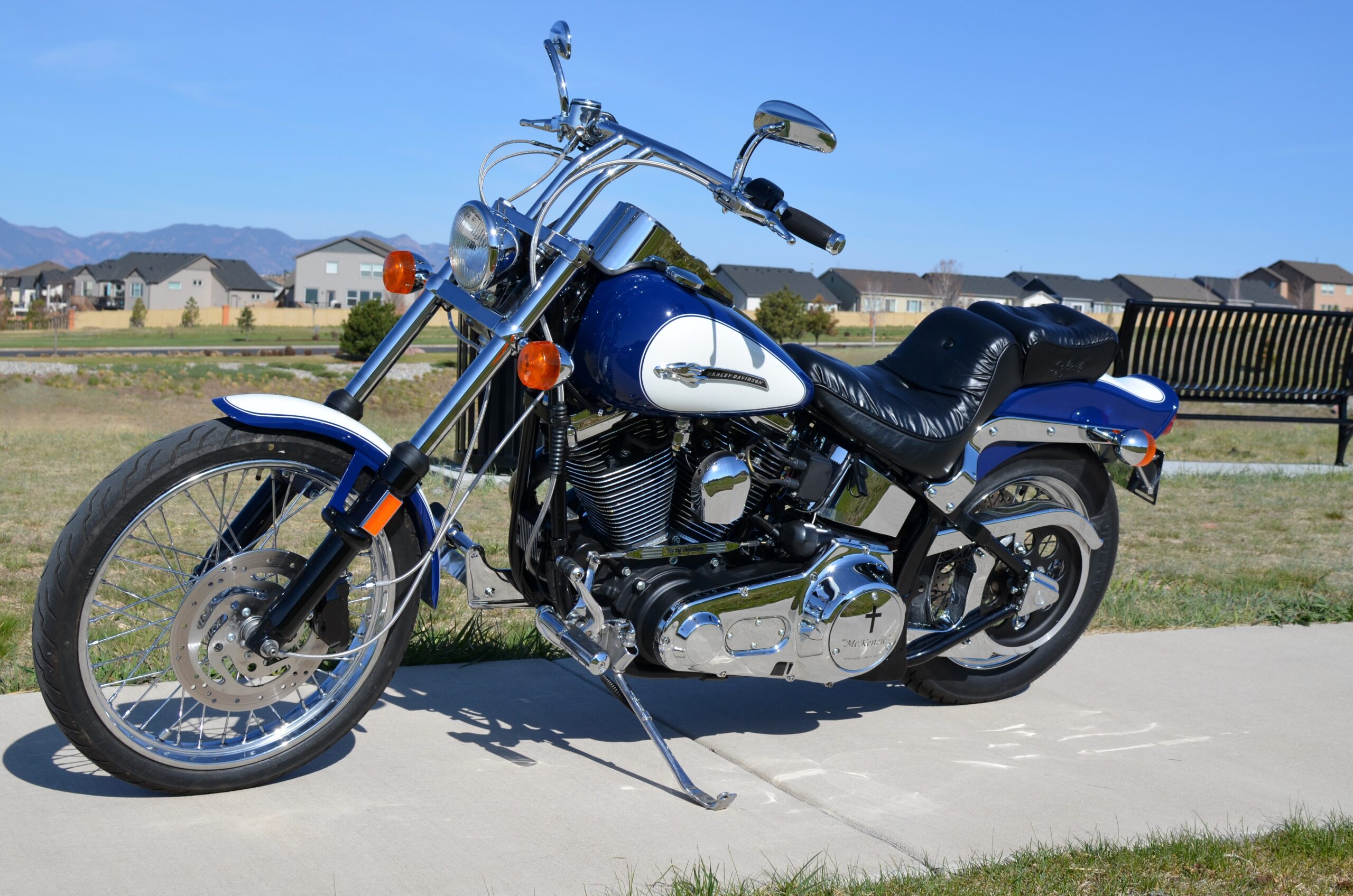
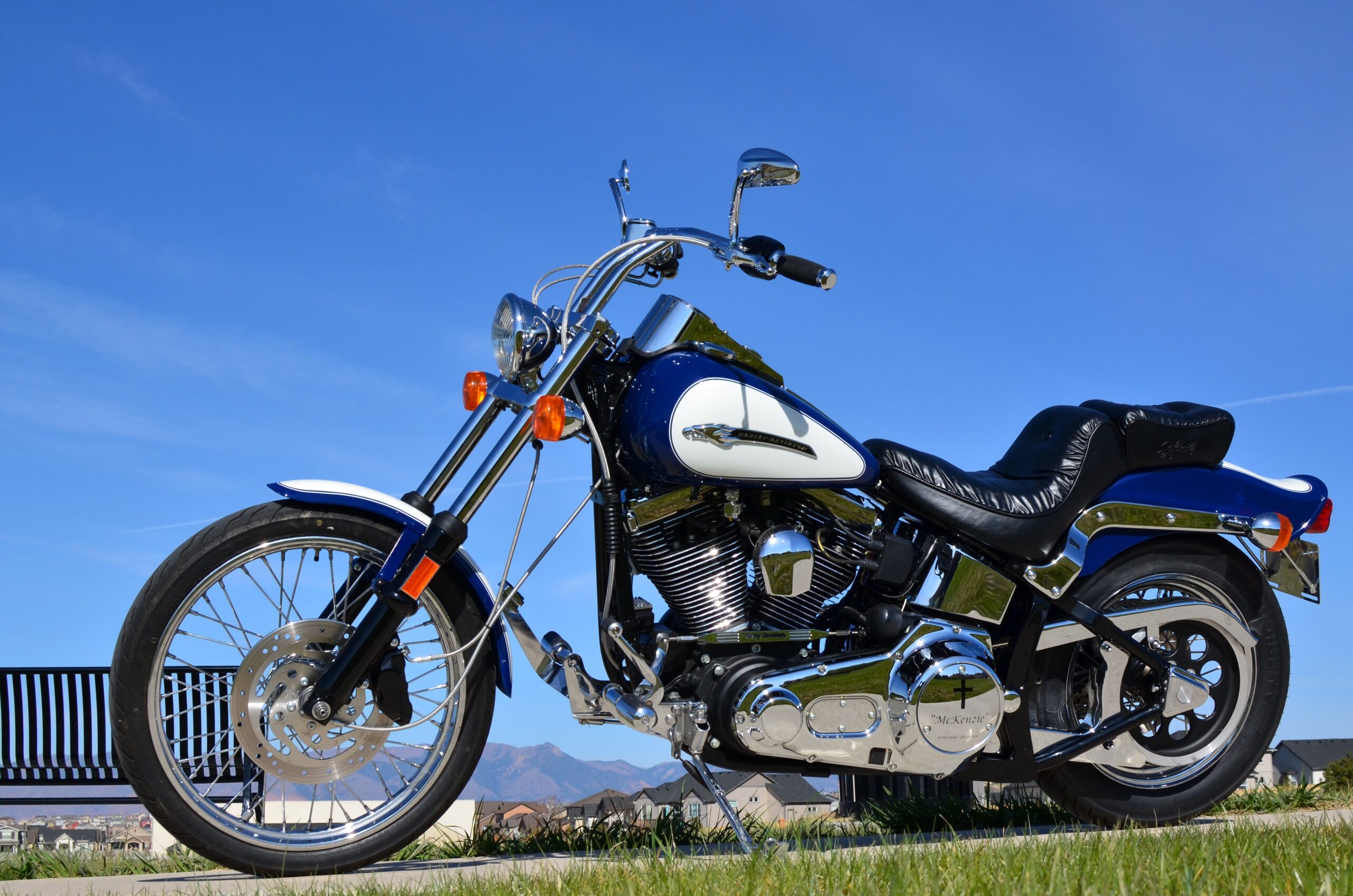
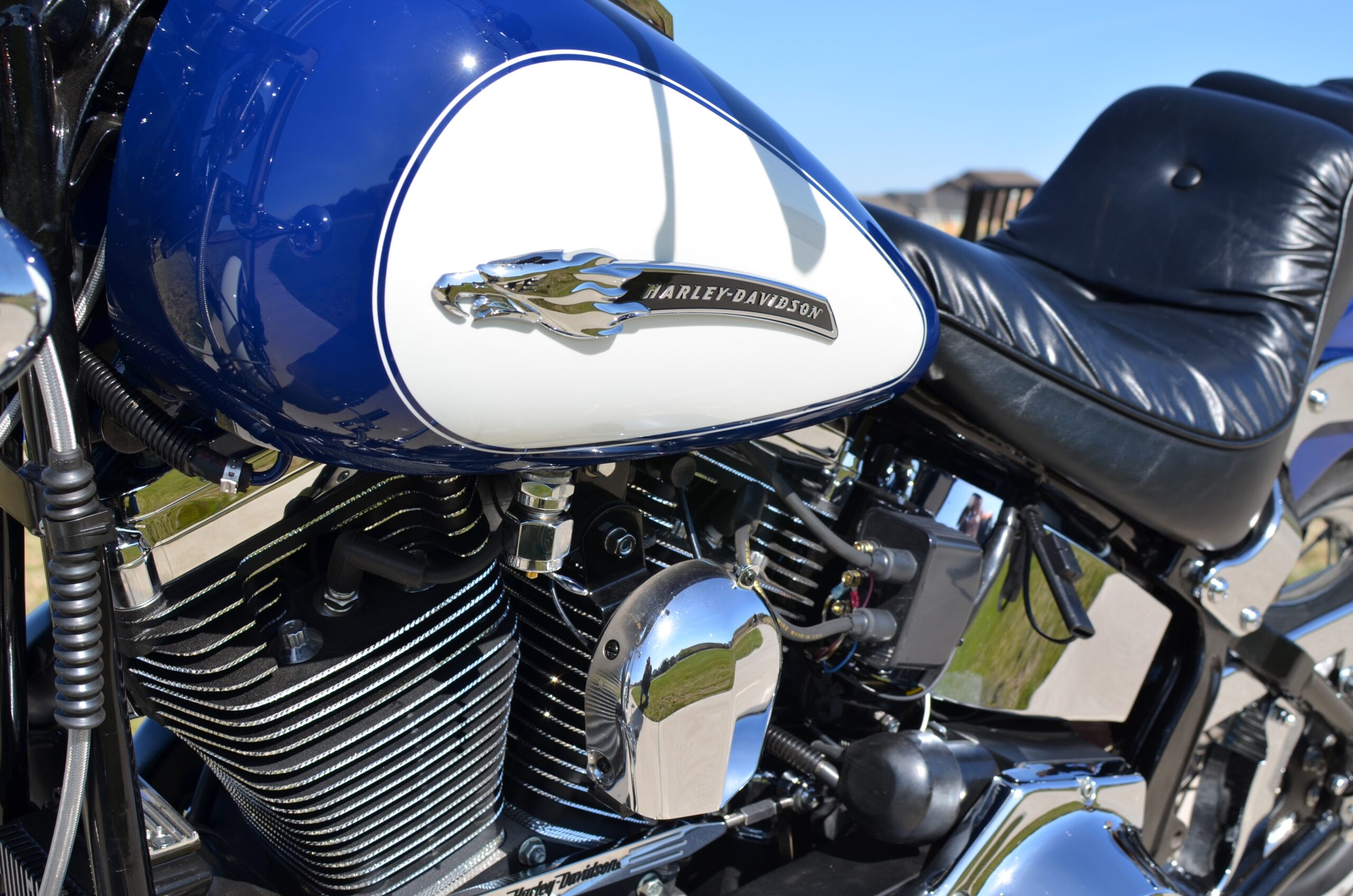
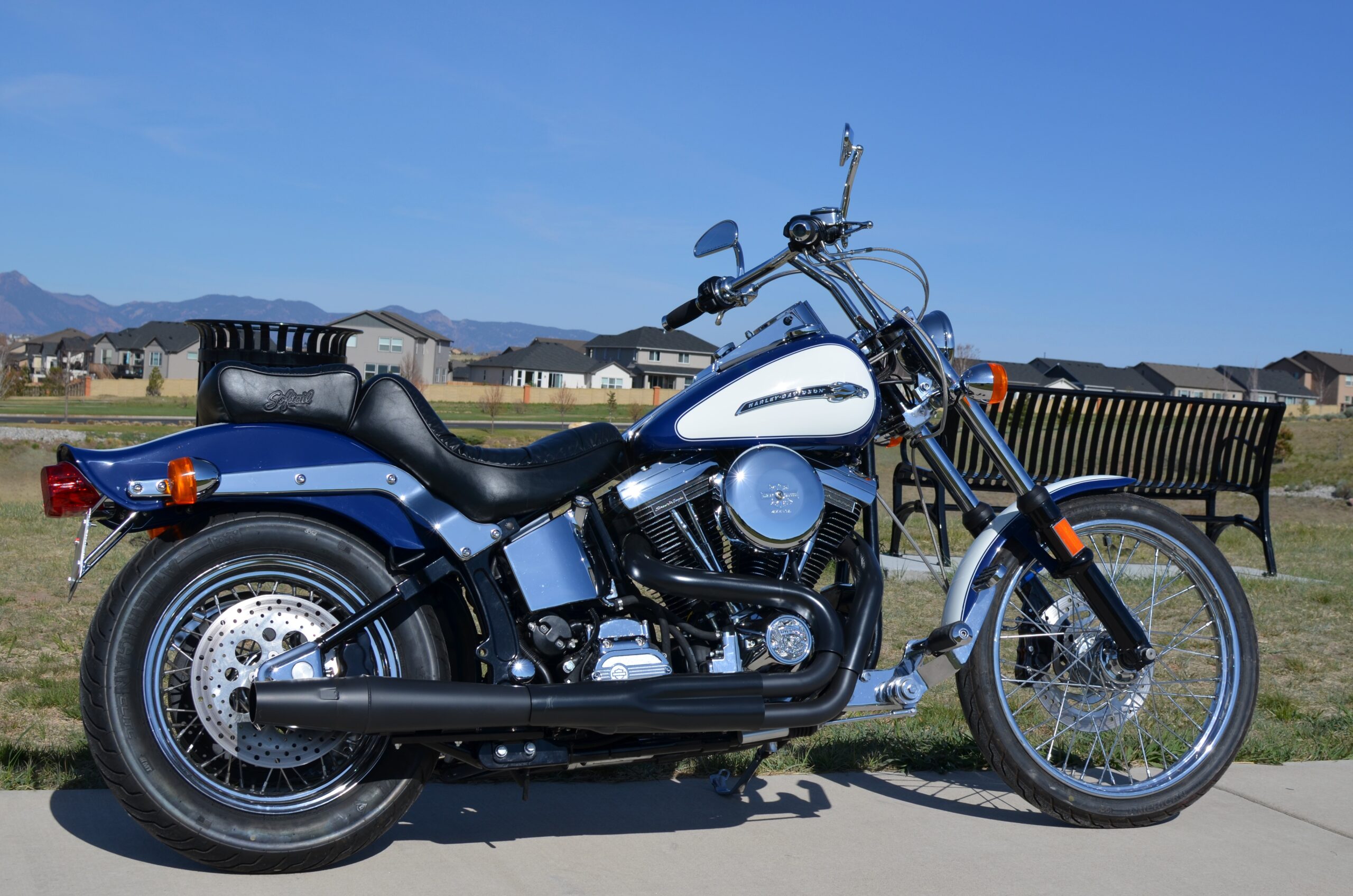
This 100% restoration was for my cousin Roddy, who tragically lost his life on a motorcycle ride with me in North Carolina. This restoration wasn’t really about the motorcycle itself—it was a tribute. Roddy owned this original Harley Softail Custom, and after his passing, I decided to bring it back to life in his honor.
The bike was in rough shape—years of neglect had left it covered in rust, cobwebs, snake skins, and even a mud dauber nest. It had sat for so long it was basically a barn find, and it needed a complete frame-off restoration.
This was one of the hardest builds I’ve ever taken on. Not just emotionally, but mechanically. Finding parts for this bike was a challenge—many of them just aren’t made anymore and probably ended up in landfills. For example, the rear shocks were the original Showa style with piggyback reservoirs, which were unique to early Softails like the ’87. Harley eventually moved away from that design, so these parts are rare – like unicorn rare.
I searched high and low. The ones on Roddy’s bike were completely shot. I ended up calling the Harley-Davidson mothership in Milwaukee and asked them to run a worldwide dealer search. Miraculously, they got a hit on the right-side shock. I called the dealership, and the guy at the parts counter laughed and said they had accidentally ordered 10 of them back in the early ’90s instead of one. The finger check of a trailing zero. He still had four brand new ones sitting on a shelf. He sold one to me for next to nothing.
The left shock, however, was a different story. I searched for months. I had been looking using the latest revision of the part number, but on a whim, I decided to try the original base number. That led me to an old Excel spreadsheet posted years ago by a guy in Canada who ran a sort of vintage Harley parts depot. I called him up and asked about the part, and he said he’d check.
About 15 minutes later, he called me back. He had dug through piles of old inventory and found a sealed Harley envelope with the exact original part number on it. He sent me a photo, and it was the real deal. He shipped it to me for a fair price—didn’t try to gouge me at all. That’s just one example, but there were many parts on this bike that took detective work and a bit of luck to find.
Another unique challenge was with the engine. Early Softails came out in ’84 using sand-cast engine cases, but by ’86 or ’87, Harley had transitioned to die-casting. Unfortunately, those early die-cast engines weren’t known for their strength. When I inspected Roddy’s engine, I noticed some welds on the bottom end that confirmed it was one of those early die-cast examples.
I wanted to give this bike some performance, but I wasn’t comfortable pushing that original engine. So instead, I tracked down a brand-new 1999 Harley-Davidson Evolution 80 crate engine. I had it balanced, blueprinted, and a custom flywheel built by Darkhorse Crankworks up in Wisconsin. We stroked it out to 89 cubic inches. The result? It runs hot, strong, and sounds absolutely amazing.
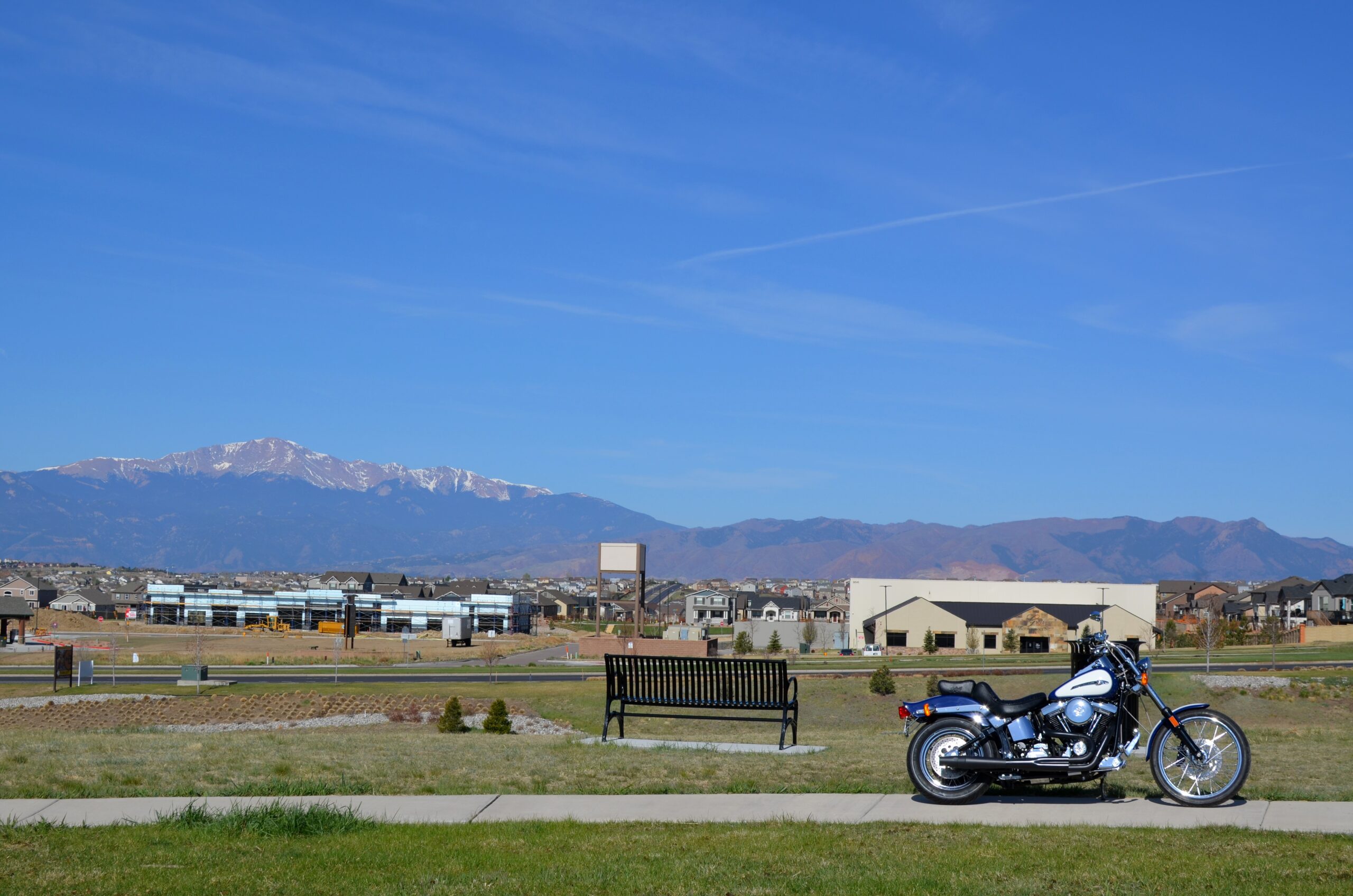
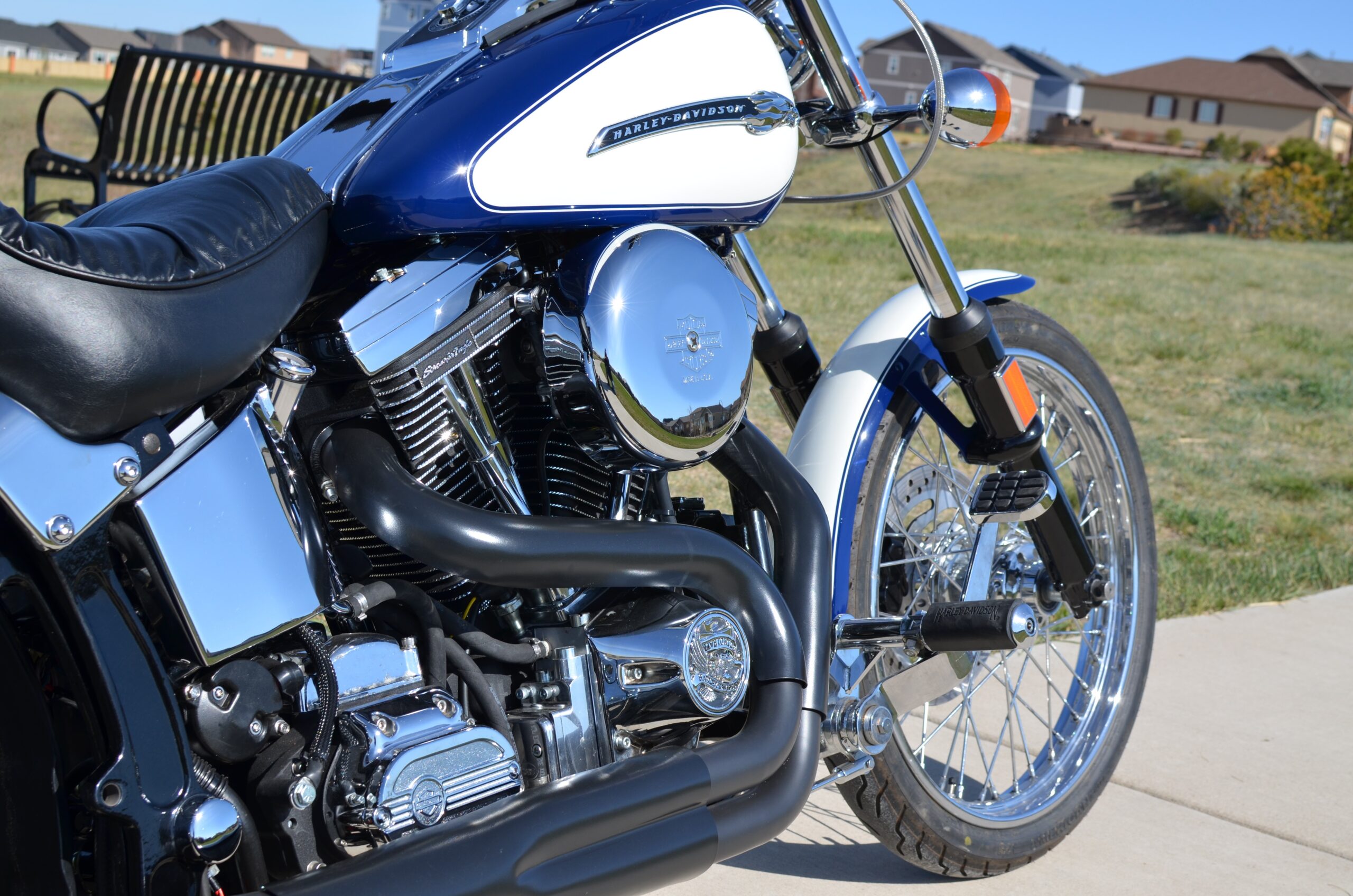
So here it is—Roddy’s 1987 FXSTC, fully restored from the ground up. I made two modifications after the restoration. When I first set the bike up, I installed a cam that created a ton of compression. I also used Harley Screamin’ Eagle heads—not realizing just how thin the material was on those things. So thin, in fact, that adding compression release valves for easier cranking felt risky. One slip-up and I could ruin the heads entirely.
Back when I lived in Colorado, elevation helped a bit. She was still a hard starter, but it really became obvious just how bad it was when I moved to Arkansas. I originally built the bike at 6,035 feet, then relocated to 1,253 feet—a difference of 4,782 feet. And for the scoffers out there: yes, elevation absolutely makes a difference. At the lower altitude, it sounded like the bike was barfing up a starter every time I hit the button. Half the time, it wouldn’t even turn over.
The other change I made was the exhaust. During the build, I went with the Thunderheader 2-into-1—pretty popular on these old Softails and a setup that only added to the compression issues. Later, I swapped it for a set of Vance & Hines Big Radius pipes. Better look, better sound, and just enough drop in compression to help with cranking. Did I lose some performance? Maybe, but no that noticeable. This is still a VERY performant motorcycle. She can raise your heart rate when you goose the throttle. I still have the bike today. I don’t ride it often, partly because even though everything on it is basically brand new, it still rides like a 1987 Softail. After being used to modern bikes like my Street Glide, it’s a bit of a time machine. But I do take her out now and then, maybe 50 miles at a time. It’s still a lot of fun—handles beautifully, has great power for an Evo, and the sound? Just pure Harley.
This was a labor of love, built for someone I’ll never forget.
Specifications – Click to collapse
🦅🇺🇸 Model Overview
- Chassis & Styling: Classic “Wide Glide” chopper styling with a 49 mm front fork raked at 36°, 21″ chrome-laced front wheel, bobtail rear fender, stepped chopper seat, and 1.25″ ape-hanger handlebars with internal wiring. Tank-mounted speedometer adds to the retro-custom vibe.
- Color Options: Offered in multiple solid and two-tone finishes, including custom factory schemes.
🛠️ Engine & Transmission
- Engine: 1,573 cc Twin Cam 96 V‑twin, air-cooled, 45° configuration, pushrod-operated valves, and electronic sequential port fuel injection (ESPFI).
- Performance: Produces around 94 lb‑ft of torque at 3,000 rpm.
- Transmission: 6-speed Cruise Drive manual gearbox with belt final drive and clutch interlock system.
🚀 Exhaust & Intake
- Chrome-staggered “shorty” dual exhausts with a black powder-coated engine and chrome trim. Air intake system includes a washable-paper air filter.
🧰 Suspension & Brakes
- Front Suspension: 49 mm telescopic forks with 36° rake.
- Rear Suspension: Dual coil-over shocks with forged upper mounts.
- Brakes: Single disc front and rear (300 mm front, 292 mm rear), with braided lines available on special editions.
📏 Dimensions & Weight
- Wheelbase: 68.3″
- Overall Length: ~97.5″
- Seat Height: 27.5″ laden / 28.5″ unladen
- Ground Clearance: ~6.2″
- Dry Weight: 650 lb
- Curb Weight: 678 lb
- GVWR: 1,085 lb
⛽ Fuel & Fluids
- Fuel Capacity: 5.1 gallons
- Oil Capacity: 3 quarts (with filter)
- Primary/Transmission: 1 quart each
🛞 Tires & Wheels
- Front: Dunlop MH90‑21 on 21″ chrome-laced wheel
- Rear: Dunlop 160/70 R17 with bobtail rear fender to accent the tire profile
🎛️ Instruments & Controls
Digital and analog combo instrumentation with speedometer, odometer, trip meter, gear indicator, and fuel warning light. Forward-mounted foot controls and optional windshield upgrad